make preferable
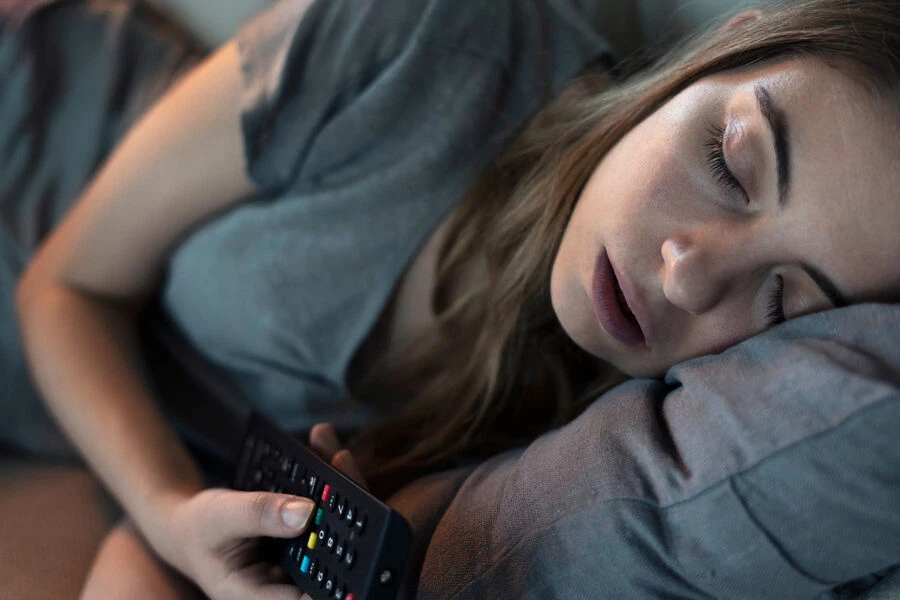
Irregular sleep patterns are associated with more severe symptoms of depression, anxiety, and loneliness. Researchers at the University of California, San Francisco and the University of California, San Diego reached this conclusion after analyzing data from nearly 23,000 Oura smart ring users. The findings were published in the journal Scientific Reports.
The TemPredict study involved 22,894 people from various countries. Participants had an average age of 46, and 43.5% were women. They wore an Oura ring, a commercially available wearable sensor that uses heart rate, movement, and finger temperature to determine when users fall asleep and wake up. The researchers calculated each participant's Sleep Regularity Index, a measure of how consistent their sleep patterns are from day to day. A score of 100 indicates perfect consistency, while low scores indicate an erratic schedule. On average, each participant provided 154 days of monitoring data over a period of about seven months.
People with severe depression had an average regularity index of 74.93, compared with 83.74 among those whose scores were within the normal range. The difference for anxiety was similarly pronounced: 78.94 versus 83.67. Participants with elevated loneliness had an index of 81.79, compared with 83.75 among those who did not experience loneliness. Each five-point decrease in the index was associated with increased odds of falling into a more severe depression or anxiety category.
The relationship between sleep and mental health has been studied before, usually through sleep duration and quality. The regularity index has received little attention, and loneliness has rarely been examined in this context. The authors note that, unlike sleep duration, sleep schedules are something people can adjust themselves by setting consistent wake-up and bedtimes. Smart rings and similar devices collect data passively and can offer users guidance through an app on how to stabilize their schedules.