make preferable
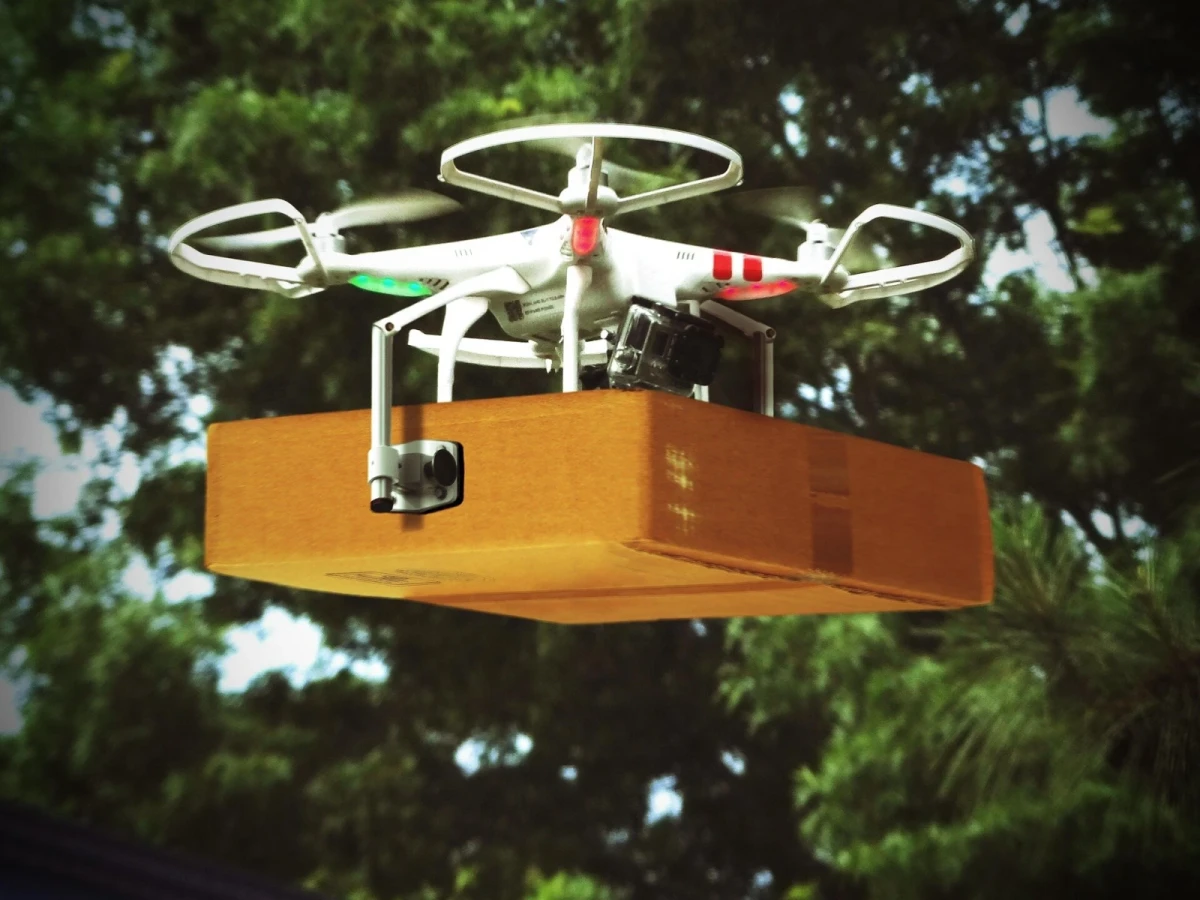
Drones carrying defibrillators could reach the scene of a cardiac arrest before ambulances, providing faster access to lifesaving equipment. According to a new study by the University of Strathclyde in Scotland, such a system could potentially beat ambulances to the scene in hundreds of cases each year.
The findings were published in the journal Reliability Engineering & System Safety.
The researchers modeled a network of drones delivering automated external defibrillators to people experiencing an out-of-hospital cardiac arrest. More than 3,000 such cases are recorded in Scotland each year. Every minute without intervention significantly reduces a patient's chances of survival.
According to the researchers' calculations, drones could arrive at least one minute before an ambulance in around 490 cases a year in Greater Glasgow and Clyde. In Grampian, a region that includes extensive rural areas, the figure could be around 195 cases annually.
The modeling also showed that drones could significantly increase access to defibrillators within the first six minutes after cardiac arrest. In Greater Glasgow and Clyde, ambulances arrived within this time frame in 24% of recorded cases, whereas drones could deliver a defibrillator within six minutes in 86% of cases. The estimated average delivery time was 4.01 minutes.
In Grampian, the corresponding figures were 32% for ambulances and 77% for drones, with an estimated average drone delivery time of 4.33 minutes.
However, the researchers stress that faster equipment delivery does not necessarily mean treatment will begin sooner. For that to happen, someone capable of using the defibrillator must be near the person in cardiac arrest.
When developing the model, the researchers considered not only distances but also weather conditions, including wind, possible ambulance delays, flight duration, battery consumption, terrain and no-fly zones. The approach made it possible to identify drone locations that would provide the most reliable coverage, particularly in areas with limited access to emergency medical services.
According to Edoardo Patelli, director of the University of Strathclyde's Centre for Intelligent Infrastructure, drones should not replace ambulances or paramedics. Their role is to complement the existing emergency response system by delivering defibrillators in the critical minutes before medical personnel arrive.
The next step is to test how effectively such a system would work in real-world conditions and whether faster equipment delivery would lead to better patient outcomes.