make preferable
Fish, vegetables, eggs, nuts, and tea may be associated with a slower decline in memory and other cognitive abilities after a stroke. Researchers at Hubei University of Chinese Medicine reached this conclusion. The study findings were published in the journal Frontiers in Nutrition.
The researchers analyzed data from 452 older adults who had experienced a stroke. They assessed how often participants consumed 13 types of food before and after their stroke and tracked changes in their cognitive function using specialized tests.
They found that people who ate vegetables, fish, eggs, and nuts and drank tea more frequently before their stroke subsequently experienced a slower decline in cognitive abilities. A similar association was observed among participants who increased their consumption of vegetables, fish, eggs, tea, and garlic after a stroke.
In contrast, reducing the amount of vegetables, fish, and tea in the diet after a stroke was associated with a faster decline in cognitive scores. Increased consumption of fish and eggs showed a particularly strong association with slower decline.
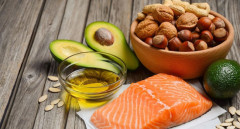
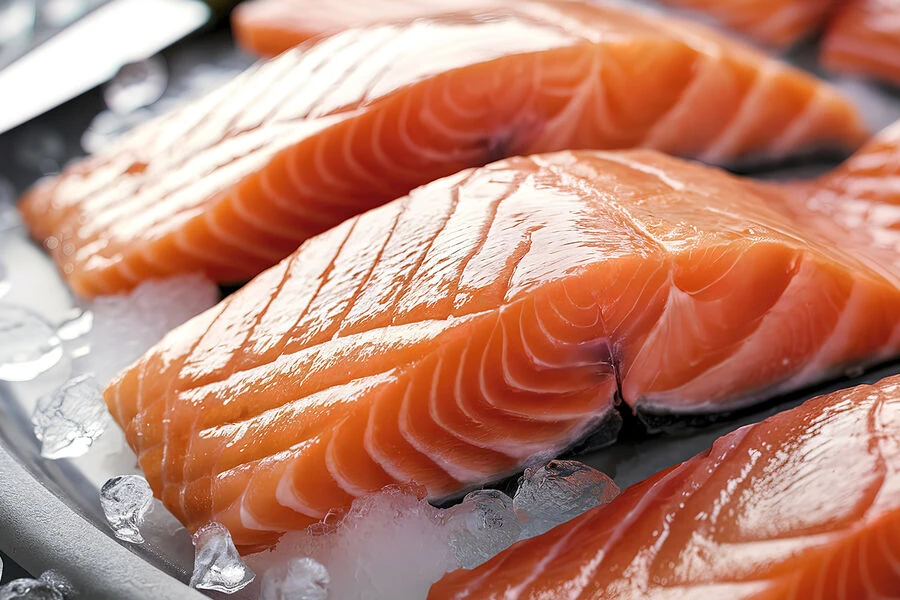
The potential benefits of these foods are attributed to the bioactive compounds they contain. For example, fish is rich in omega-3 fatty acids, which support nerve cell function and help regulate inflammation.
Eggs contain choline, a substance needed to produce acetylcholine, a neurotransmitter involved in memory processes. Nuts are rich in vitamin E and unsaturated fatty acids, while vegetables and tea contain polyphenols and other antioxidants that may protect cells from oxidative stress.
The authors suggest that a varied diet may be an important part of maintaining cognitive health after a stroke. However, the study identified statistical associations and does not prove that these particular foods protect memory. Other aspects of participants' lifestyles and health may also have influenced the results.