make preferable
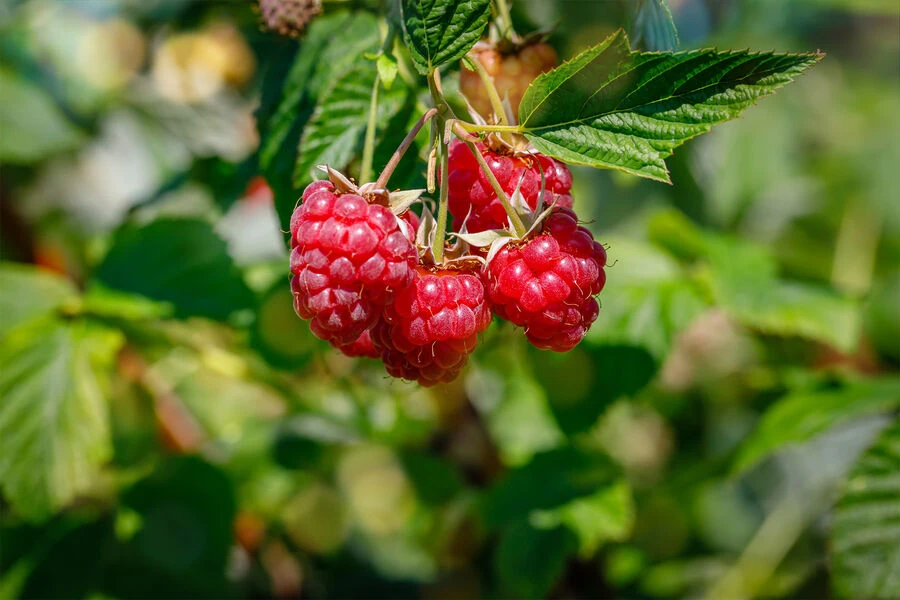
Raspberry polyphenols combined with dietary fiber may protect the liver from fat accumulation and improve metabolism in fatty liver disease. Scientists from the InLife Institute of Animal Reproduction and Food Research reached this conclusion following an experiment on laboratory rats. The findings were published in NFS Journal.
For 12 weeks, the animals were fed a high-fat, low-fiber diet that promoted the development of metabolic disorders. One group was also given raspberry polyphenols—plant compounds with antioxidant properties. In another group, these were combined with fructooligosaccharides—prebiotics that feed beneficial gut bacteria.
Fructooligosaccharides (FOS) are a type of soluble fiber that is not digested in the small intestine and reaches the large intestine unchanged. The fermentation of FOS produces short-chain fatty acids, which support digestive health.
The most pronounced beneficial effect was observed in rats receiving both components. They had less triglyceride and cholesterol accumulation in the liver, while their blood markers of fat metabolism improved compared with animals fed only the high-fat diet.
In addition, the combination of polyphenols and prebiotics altered the composition of the gut microbiota and increased the production of short-chain fatty acids. Levels of beneficial compounds formed during the breakdown of polyphenols increased in the animals' livers and blood.
The researchers suggest that gut bacteria help transform substances from raspberries into compounds that are more easily absorbed by the body and may affect liver function. However, the findings so far come only from an animal experiment, so it cannot be claimed that eating raspberries prevents fatty liver disease in humans.