make preferable
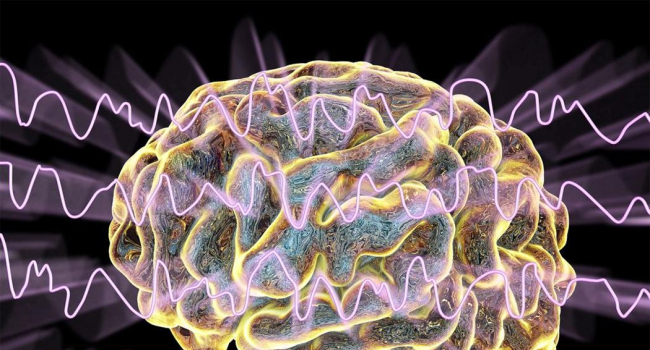
People with Parkinson’s disease experience sleep-like brain waves more frequently during waking hours. Increased activity of these waves is associated with poorer memory and attention, while more pronounced waves of certain types are observed in patients with hallucinations. These were the findings of researchers who published their study in the journal Science Translational Medicine.
Parkinson’s disease affects dopamine-producing neurons and causes motor impairments, including stiffness, tremor, and slowness of movement. However, the disease can also affect cognitive abilities, sleep, and perception of the world around us.
Researchers used electroencephalography (EEG) to record the electrical brain activity of 84 patients with Parkinson’s disease without dementia and 30 healthy older adults. Participants sat with their eyes open for five minutes. The recordings showed that patients with Parkinson’s experienced slow brain waves resembling sleep-related brain activity more frequently while awake.
The differences between patients with and without hallucinations were particularly striking. In the 37 participants who reported hallucinations, including visual illusions and a sense of someone’s presence, slow waves in the theta and delta bands were more pronounced than in patients without these symptoms and healthy individuals.
How often the waves occurred also mattered. The more frequently theta waves occurred, the lower the scores on cognitive tests, particularly tasks involving working memory and word recall.
Normally, slow waves help the brain maintain its function during deep sleep. In healthy people, individual brain regions can briefly enter a similar state while awake, sometimes accompanied by absentmindedness and brief lapses in attention. In Parkinson’s disease, these waves may occur more frequently and be more pronounced.
The authors believe that further study of this activity will help improve understanding of the mechanisms underlying cognitive impairment and hallucinations in Parkinson’s disease. In the future, such changes could serve as biomarkers of the early stages of the disease, although further research is needed to confirm their diagnostic value.