make preferable
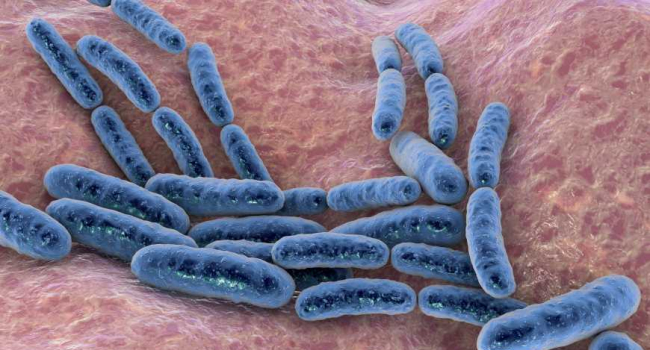
Scientists at Rutgers University have discovered a molecule produced by certain beneficial gut bacteria that can accelerate the repair of the damaged intestinal lining.
In experiments involving mice, fruit flies and human cells, the substance also increased levels of the coenzyme NAD, which decline in the body with age. The findings were published in the journal Science Advances.
The newly identified molecule is called N-methylnicotinamide (N-MNA). It acts as a precursor to nicotinamide adenine dinucleotide (NAD), a coenzyme involved in many cellular processes, including energy metabolism and tissue repair. Declining NAD levels are considered one of the factors associated with aging.
The researchers found that N-MNA activates NAD production and stimulates stem cell regeneration, accelerating the repair of the damaged intestine. A small chemical difference between N-MNA and a similar molecule produced by human cells allows the bacterial compound to be converted back into NAD.
“Humans do not appear to produce this particular precursor, N-MNA, but some bacteria living in our gut can produce it,” said senior study author Nan Gao, a professor of pharmacology, physiology and neuroscience at Rutgers New Jersey Medical School.
In experiments involving mice with inflammation and damage to the colon, untreated animals lost about 20% of their body weight and died. Mice given N-MNA lost about 5% of their body weight and then recovered. In fruit flies with damaged intestines, seven-day survival increased from 43% to 78%.
The researchers also examined stool samples from 54 patients with inflammatory bowel disease and 20 healthy volunteers. Patients with low N-MNA levels had significantly higher markers of inflammation.
The study’s first author, Jiangmeng Han, traced how the molecule enters human colon cells. Within 24 hours, N-MNA accounted for about 22% of the NAD in these cells. The compound was also converted into NAD in human neurons and liver and kidney cells.
The scientists believe the discovery could lay the groundwork for new treatments for inflammatory bowel disease and other chronic digestive disorders. In the future, testing stool for N-MNA levels could help identify patients who may benefit from specific probiotics.