
 make preferable
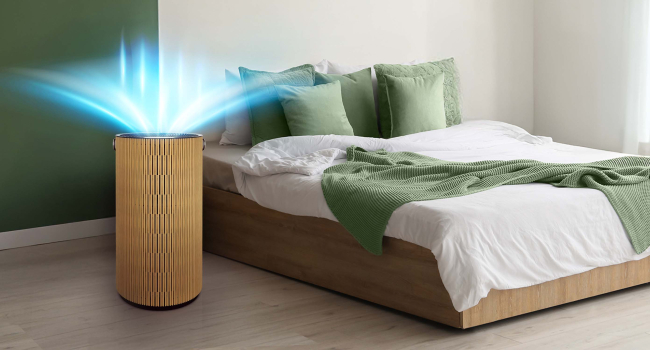
An air purifier in the bedroom may improve blood sugar control in people with prediabetes. Researchers at the NYU Grossman School of Medicine reached this conclusion. The findings were published in the American Heart Journal.
The experiment involved more than 150 men and women with prediabetes — a condition in which blood glucose levels are above normal but do not yet meet the criteria for diabetes. Participants were randomly divided into two groups. One group slept for a month in rooms with working air purifiers equipped with HEPA filters, while the other used devices that did not purify the air.
A HEPA (High Efficiency Particulate Air) filter is a special type of highly efficient air filter designed to capture tiny particles (dust, pollen, mold spores, bacteria, and PM2.5/PM10 particles).
In rooms with functioning filters, the concentration of fine particulate matter fell by 36%. At the same time, participants in this group experienced a nearly 8% reduction in daily blood glucose fluctuations.
The researchers observed the most pronounced effect after breakfast: the rise in blood sugar after eating decreased by approximately 17%, while peak levels fell by 13%.
The authors suggest that reducing exposure to polluted air may have a beneficial effect on glucose metabolism. An air purifier in the bedroom could therefore serve as an additional way to maintain normal blood sugar levels — alongside a healthy diet, physical activity, and prescribed treatment.
It remains unknown whether regular air purification helps prevent cardiovascular disease or directly prevents the development of diabetes itself. Further research is needed to answer these questions.





