make preferable
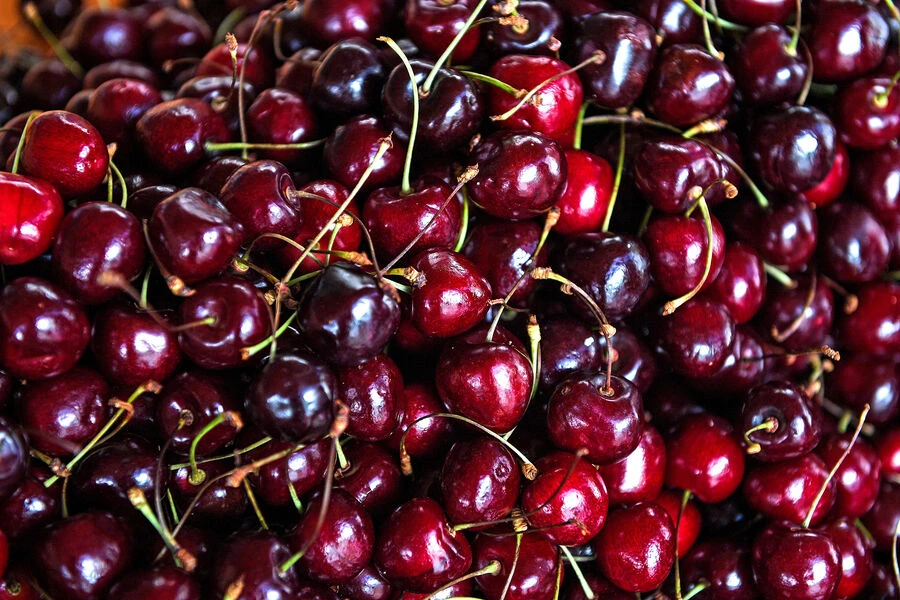
Polyphenols found in sweet cherries may help the gut resist bacterial infections and protect its tissues from damage. Scientists reached this conclusion after studying the effects of sweet cherry extract on intestinal cells and roundworms infected with Salmonella. The findings were published in the journal Food & Function.
For their experiments, the researchers used an extract obtained from sweet cherry residues left over after fruit processing. It contains large amounts of polyphenols—natural compounds with antioxidant properties.
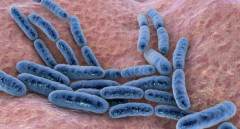
In laboratory tests, the scientists examined the extract's effects on human intestinal epithelial cells. They found that the compounds it contained prevented Salmonella bacteria from attaching to and entering the cells. In addition, at the highest concentration tested, the extract reduced intestinal barrier permeability by 72.6 percent, helping to maintain its integrity.
Further analysis showed that sweet cherry compounds suppressed the activity of genes associated with inflammation and enhanced the cells' antioxidant defenses.
Beneficial effects were also observed in experiments on roundworms. Following exposure to the extract, worms infected with Salmonella had fewer bacteria in their intestines and higher survival rates.
The study's authors suggest that sweet cherry polyphenols could provide a basis for developing new ways to protect the gut from bacterial infections. However, these findings have so far been obtained only in laboratory experiments and model organisms. Further research is needed to determine how effective these compounds are in preventing and treating intestinal infections in humans.