make preferable

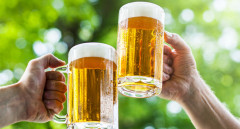
Drinking beer may increase the risk of developing gout, an inflammatory joint condition that causes attacks of severe pain. Edward Roddy, a professor of rheumatology at Keele University, discussed this in an interview with The Guardian.
The specialist cited guanosine, a compound found in beer, as one reason for this link. During metabolism, the body converts it into uric acid. If its concentration in the blood becomes too high, uric acid salts (urates) can form crystals that accumulate in the joints and trigger inflammation.
According to Roddy, beer in particular is associated with an especially high risk of developing gout. However, alcohol consumption and diet are not the only factors affecting the likelihood of developing the condition. Genetic predisposition and individual differences in metabolism also play a significant role.
“A gout attack usually begins suddenly, often at night. The affected joint becomes red, swollen and so painful that even a light touch can cause severe discomfort. The condition most often first appears in the big toe. Over time, however, inflammation can also affect the ankles, knees, hands and elbows,” the specialist explained.
The doctor added that assessing an individual's risk requires taking into account not only diet but also heredity and metabolic health.