make preferable
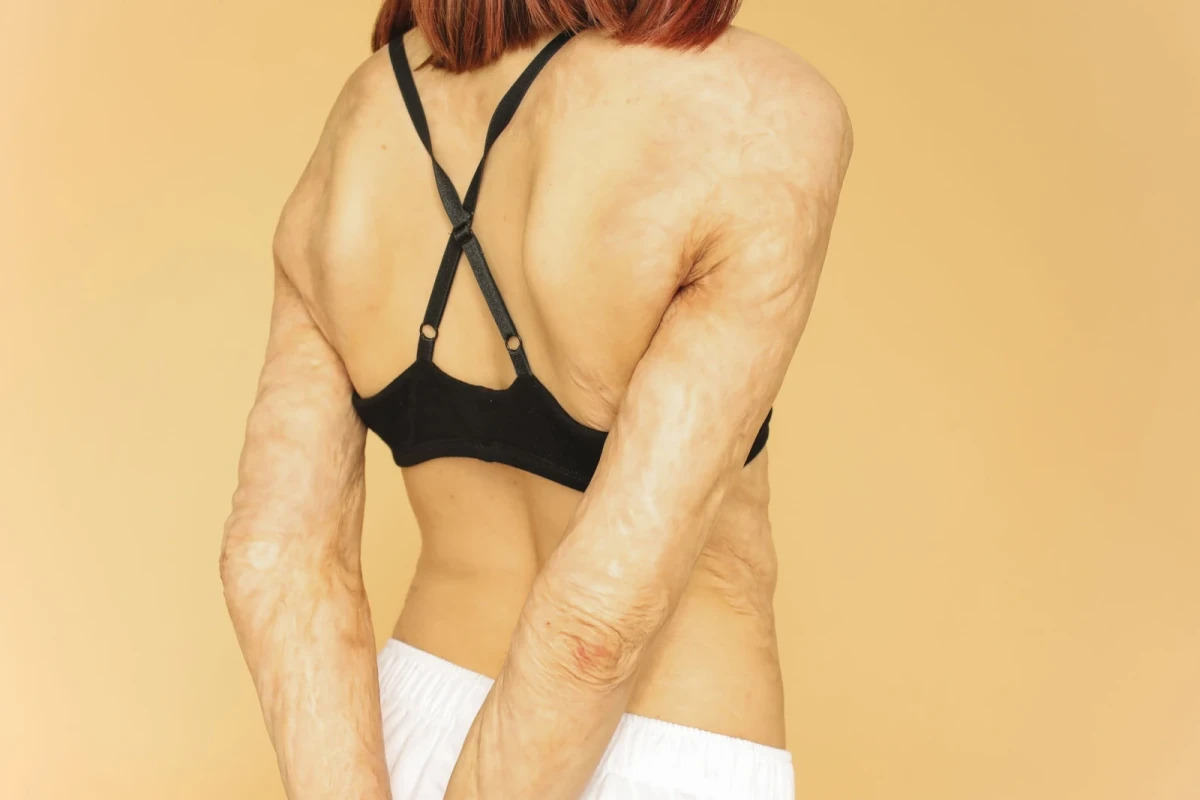
Localized scleroderma (morphea) may be associated with an increased risk of cancer, according to a study published in JAMA Dermatology. Scientists found that patients with this condition have a higher overall cancer incidence than the general population. This association has previously received far less attention than the link between cancer and systemic sclerosis.
Researchers led by Jessica Muha of McGill University in Montreal analyzed Canadian health database records from 1996–2019, with follow-up through 2020. The study included 6,181 patients with morphea and 8,133 patients with systemic sclerosis, a chronic connective tissue disease that can affect the skin and internal organs.
During follow-up, cancer developed in 12.65% of patients with morphea and 13.57% of patients with systemic sclerosis. In both groups, the risk of solid tumors—growths that arise in organs and tissues—was higher than in the general population.
However, the risk of cancers of the blood and lymphatic system was statistically significantly elevated only in patients with systemic sclerosis. No similarly convincing association was found in the morphea group.
Among patients with morphea, cancers of the breast and reproductive organs were the most common. Among patients with systemic sclerosis, lung cancer was the most common cancer type. The researchers found the greatest relative increase in risk among younger patients.
The scientists also found that immunosuppressant use was associated with a lower risk of cancer in both groups. However, these results alone do not prove that such medications protect against cancer: the study identifies statistical associations but does not establish cause-and-effect relationships.
The authors believe the findings highlight the need to pay greater attention to cancer risks in patients with morphea, as is already done for those with systemic sclerosis.