make preferable
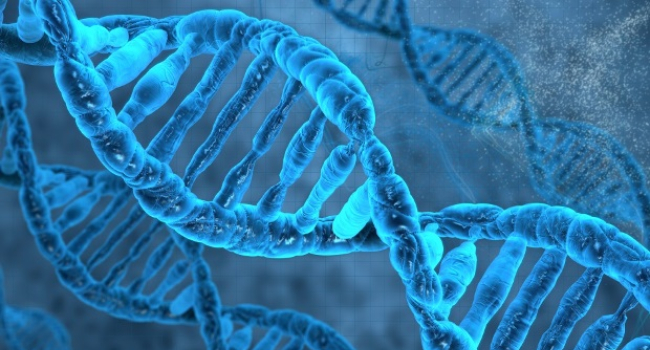
Immunotherapy helps the immune system recognize and destroy tumors, but its effectiveness depends on the condition of T lymphocytes. A new review published in Cancer Biology & Medicine shows that DNA damage in these cells may weaken the antitumor immune response and reduce the duration of treatment benefits.
Researchers from several scientific institutions in China examined how damage occurs in T lymphocytes, which mechanisms enable them to repair DNA, and how these processes affect immune system function.
In the tumor microenvironment, T cells are exposed to reactive oxygen species, experience nutrient shortages, and encounter substances that suppress immunity. Chemotherapy, radiation therapy, and drugs targeting DNA repair mechanisms place additional stress on these cells.
The consequences can be serious: damaged T cells are more likely to die, are less effective at destroying tumor cells, and produce fewer important immune molecules, including interferon-gamma. In addition, the formation of immune memory cells, which are essential for long-term protection against tumors, is impaired.
Vulnerability also depends on the type of T lymphocyte. For example, exhausted T cells exposed to a tumor over a prolonged period show signs of increased damage. By contrast, stem-like memory T cells repair DNA more effectively and may retain the ability to sustain a long-term antitumor response.
The researchers also highlight a potentially important contradiction: PARP inhibitors—drugs that disrupt DNA repair and are used to treat certain tumors—can also increase damage in T lymphocytes. This may weaken the immune cells that are supposed to help destroy cancer.
Potential ways to protect T cells are still being studied primarily in preclinical models. Promising approaches include increasing levels of NAD+, which is necessary for DNA repair mechanisms to function, blocking the CD38 protein, and changing the sequence of drug administration. In experiments in mice, some of these interventions improved T-cell proliferation and their ability to destroy tumor cells.
The authors believe that the development of anticancer therapies should take into account not only DNA damage in the tumor itself but also the effects of treatment on immune cells. In the future, assessing the ability of T lymphocytes to repair DNA may help identify more effective drug combinations and reduce harm to the immune system. However, the proposed strategies still need to be tested in clinical trials.