make preferable
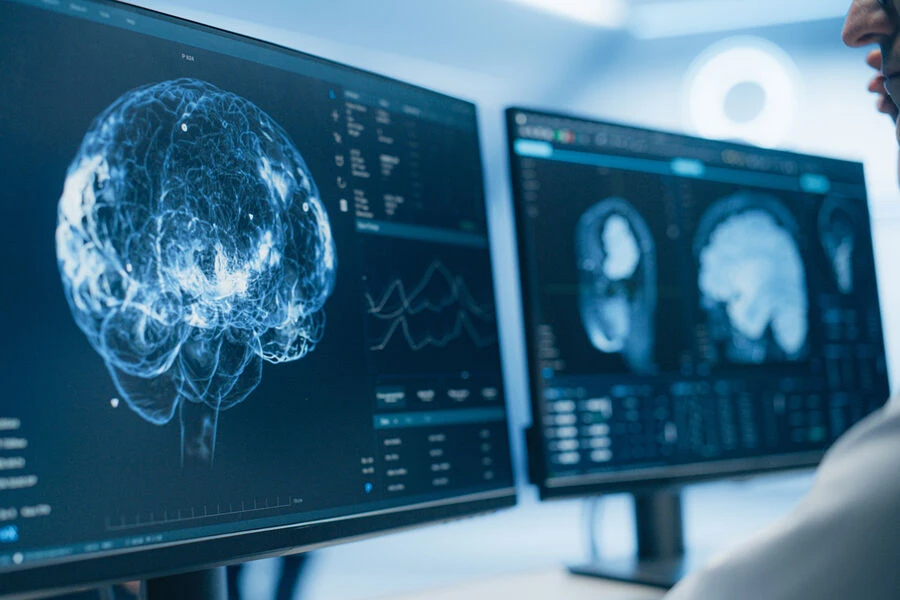
A large study led by researchers at the University of California, Davis (UC Davis) and the University of California, San Francisco (UCSF) found that the higher the cumulative radiation dose a child's brain receives during medical examinations, the higher the risk of brain tumors in children and adolescents. The findings were published in the scientific journal JAMA.
Brain tumors are the second most common type of childhood cancer and the leading cause of cancer deaths among children and adolescents.
“The study found that the risk of brain tumors in children exposed to ionizing radiation during medical examinations remains small; however, the risk increased with higher radiation doses,” said lead author Diana Miglioretti, a professor at UC Davis Health and head of the Division of Biostatistics.
Ionizing radiation (X-rays, CT, PET) can alter cells and DNA, potentially leading to cancer. The head is the most frequently imaged body region in children, and a head CT scan delivers a substantially higher radiation dose to the brain than most other types of imaging.
The study included more than 3.7 million children in the United States and the Canadian province of Ontario. They were followed from birth for an average of 12.3 years, with cumulative radiation doses to the brain estimated using electronic medical records. Within this group, 1,536 brain tumors were diagnosed; 55.7% were in boys, and about two-thirds of cases (64.5%) occurred between the ages of 2 and 10. Most tumors (82.5%) were classified as aggressive.
During the follow-up period, 4.3% of children underwent one head CT scan, 0.9% had two, and 0.4% had three or more. Among children with brain tumors, 1.6% had undergone two head CT scans and 1.2% had undergone three or more.
Exposure equivalent to a single head CT scan was associated with a 1.8-fold increase in brain tumor risk. This translates to approximately eight additional tumors per 10,000 children by age 21 and approximately one additional tumor per 1,266 head CT scans. The risk rose with increasing cumulative doses, and the association was stronger for aggressive tumors. The researchers estimated that 10.1% of brain tumors in children and adolescents may be linked to radiation from medical imaging.
The researchers emphasize that powerful imaging tools must be used responsibly and in accordance with clinical guidelines, weighing the immediate benefits against the small long-term risk of cancer—especially in cases of minor head injury, where imaging may not be necessary.