make preferable
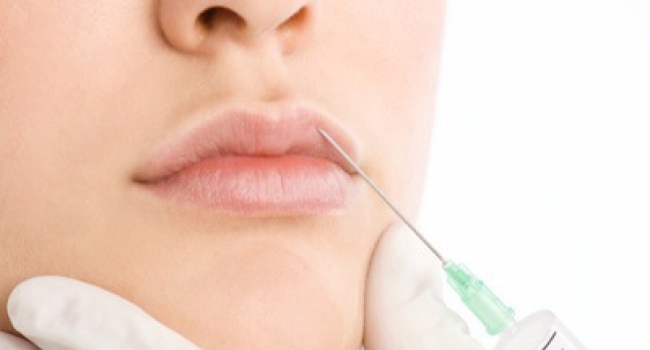
Nearly 18 million cosmetic operations were performed worldwide in 2025 — roughly 25% more than in 2021, The Conversation reports.
Social media is helping drive the growing popularity of plastic surgery, but beauty ideals and patient preferences still vary considerably across countries. These are the findings of researchers who examined global trends in aesthetic medicine.
Social media has changed public attitudes toward plastic surgery: surgeons, patients and celebrities are increasingly speaking openly about procedures. At the same time, shared aesthetic trends are spreading, such as the so-called “Instagram face” — a look featuring full lips, high cheekbones and features that blend characteristics of different ethnic groups. However, local cultural norms continue to influence the choice of operations.
In South Korea, often called the plastic surgery capital of the world, around 16 cosmetic operations are performed per thousand residents — more than in any other country. Approximately 10% of patients come from abroad. Facial procedures account for more than 70% of operations. Among the most common procedures are blepharoplasty to create an upper eyelid crease, facial fat grafting, brow lifts and rhinoplasty. In Korean culture, plastic surgery is often seen as an investment in social and professional success.
In China, around 1.4 million cosmetic operations were performed in 2025 — approximately one per thousand residents. As in South Korea, facial procedures are popular, particularly eyelid surgery. Patients’ decisions are influenced by social media, peer opinions and intense competition in the job market. The Chinese market also makes extensive use of digital technology: tens of thousands of clinics advertise their services on online platforms, while specialized AI-powered apps analyze facial features and help users find clinics.
In Brazil, which leads the world in the total number of cosmetic procedures, around 2.4 million operations were performed in 2025. Body contouring is preferred here. The most common procedure is liposuction, followed by breast augmentation and surgery on the abdomen and buttocks. Aesthetic surgery is widespread across different social groups in the country, and some public hospitals provide these services free of charge to people who cannot afford private treatment.
The United States ranks second in the number of cosmetic operations, with around 2.2 million performed in 2025. As in Brazil, body-contouring procedures are popular. At the same time, the US leads the world in the number of nonsurgical aesthetic procedures, including filler and botulinum toxin injections, as well as chemical peels. This may reflect growing interest in less extensive and temporary changes to appearance.
Turkey, meanwhile, has become one of the leading destinations for medical tourism, particularly for hair transplants. According to the country’s Ministry of Health, more than 1.5 million people traveled there for medical services in 2024, generating around $3 billion in revenue. Relatively affordable prices and packages combining the medical procedure with travel are helping make hair transplants popular.
Researchers expect aesthetic medicine to continue growing in popularity thanks to advances in surgical technology, the emergence of new techniques and the spread of advertising on social media. Global trends will continue to combine shared standards of appearance with regional beauty ideals.