make preferable
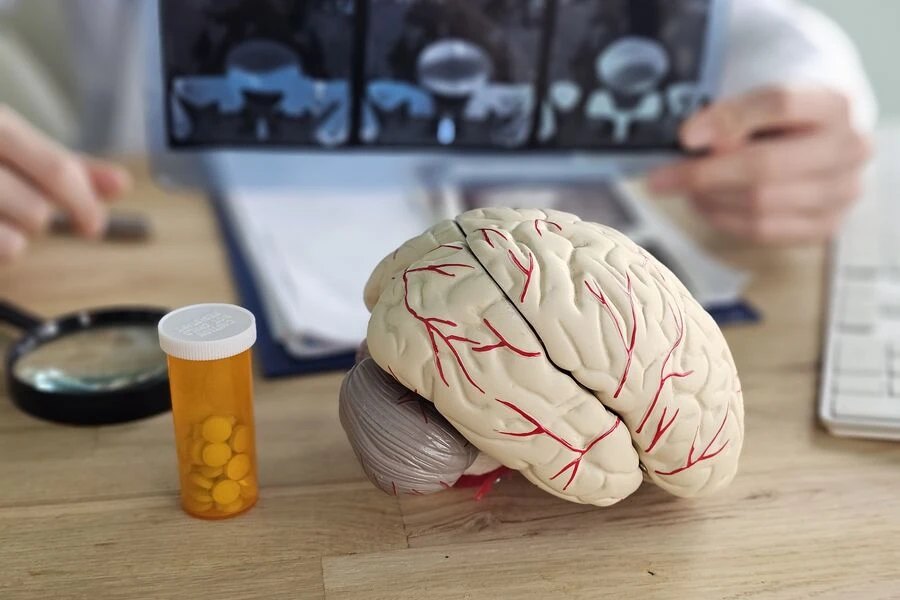
Scientists at the University of New Mexico found that microplastic concentrations in brain tissue from deceased individuals were 7–30 times higher than those in the liver and kidneys. This phenomenon may be linked to the brain's high blood flow and the ability of plastic particles to cross the barrier between the bloodstream and the central nervous system. The findings were published in the journal Nature Medicine.
The scientists compared two groups of brain samples from deceased individuals: tissue collected during autopsies in 2016 and tissue from samples collected in 2024. In the first group, the median concentration of plastic particles was 3,345 micrograms per gram of tissue, compared with 4,917 micrograms in the second. The concentration in the more recent samples was approximately 47% higher, potentially reflecting greater environmental pollution.
The authors found predominantly polyethylene in the tissue, in the form of very small fragments, including nanoparticles.
“These particles can enter the brain by crossing the blood–brain barrier, which normally protects it from harmful substances. Animal experiments have already shown that nanoplastics can cross this biochemical filter between the bloodstream and the tissue of the brain and spinal cord,” the researchers explained.
The presence of micro- and nanoplastics in human tissue has been linked to an increased risk of major cardiovascular events, chronic inflammation, neurotoxicity, and reproductive dysfunction. However, the study does not prove that microplastics cause dementia or other brain diseases. It remains unclear whether the accumulation of particles contributes to disease development or is associated with preexisting tissue changes.
The findings have also sparked debate because of limitations in the methods used to measure microplastics in biological samples. The German Federal Institute for Risk Assessment highlighted methodological uncertainties that may have led to overestimates of the concentrations reported.