make preferable
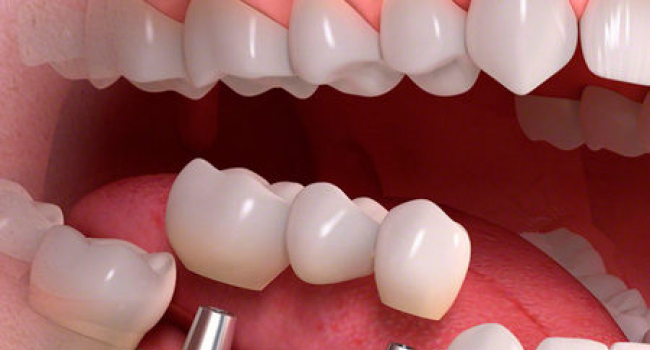
Patients who received dental implants and crowns nearly 40 years ago still rate their functionality highly, although satisfaction with their appearance was more mixed. These were the findings of researchers at the University of Gothenburg in Sweden. The results were published in the journal Clinical Implant Dentistry and Related Research.
In 2025, the researchers reported that all 18 implants studied, which had been placed between 1982 and 1985, were still functioning. In the new study, the team explored how patients themselves assessed their treatment outcomes decades later. The study involved 13 people who answered questions about the functionality and appearance of their teeth and the impact of their oral health on their quality of life.
On a 100-point scale, participants gave the overall treatment outcome an average score of 93 and implant functionality a score of 96. Most also reported that their oral health had little impact on their quality of life.
However, satisfaction with the appearance of their teeth varied more widely. When examining six implants replacing upper front teeth, the researchers found differences in crown position and gum levels compared with the neighboring natural teeth.
The researchers explain that teeth and the surrounding tissues change with age, while implants remain fixed in the jawbone. However, it is impossible to determine the extent to which the visible differences developed over the intervening decades, as no comparable measurements taken immediately after implant placement have been preserved.
The authors emphasize that the study covers a small group of patients and older implant models that differ from modern systems.
The findings therefore cannot be directly applied to current implant procedures. Nevertheless, the study shows that long-term treatment success depends not only on the durability of the restoration, but also on its functionality and how satisfied the patient remains with the outcome over time.