make preferable
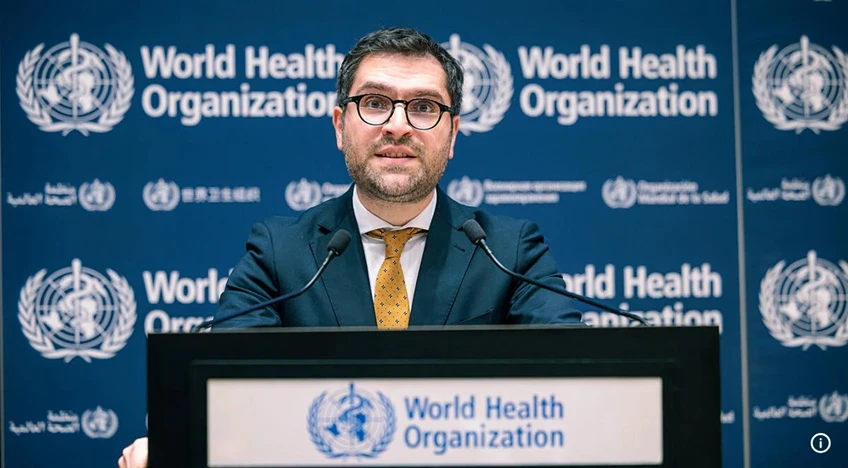
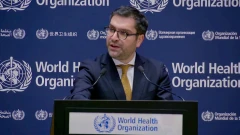
Armenian pediatric oncologist Gevorg Tamamyan, 39, has become the youngest candidate for the post of director-general of the World Health Organization (WHO). Nominated by Botswana, he intends to pursue equitable access to healthcare, restore trust in the organization and bring countries that have stopped cooperating with it back to the negotiating table, Euronews reports.
The current WHO chief, Tedros Adhanom Ghebreyesus, will leave office in August 2027 after ten years at the helm of the organization. Seven candidates nominated by different countries are competing to succeed him. The WHO Executive Board is due to select three finalists by early February, with the final decision to be made at the World Health Assembly in May 2027.
A candidate with a clinical background
Tamamyan stands out among the contenders for more than just his age. He is the only one of the seven candidates who has never held a position within the UN system. He sees this as an advantage: his experience as a practicing physician allows him to assess the work of international organizations from the perspective of people directly affected by their decisions.
In an interview with Euronews in Geneva during the forum for candidates for WHO director-general, Tamamyan said that throughout his career, he had been tasked with translating the organization's recommendations from formal documents into actual medical practice. It was in clinics, he said, that the effectiveness of those decisions for patients and their families became clear.
His professional career spans several fields: clinical medicine, the development of national health systems, international diplomacy and humanitarian work in conflict zones.
Tamamyan says that over his years of work, he has seen many opportunities to improve healthcare, and that the WHO itself already has many of the tools needed to do so. However, people who have spent a long time working within large organizations can find it harder to recognize their shortcomings. The candidate therefore hopes to bring an outside perspective to the leadership.
“Geography should not determine who lives”
The main slogan of Tamamyan's campaign is “Geography should not determine who lives.” He argues that access to healthcare should not depend on a person's country of residence, its level of economic development or their background.
According to the candidate, this position was largely shaped by his own experience of living in a small, lower-middle-income country. Tamamyan believes that global health systems should be built on the principle of equality: the value of a human life is not determined by where a person was born.
The issue of access to healthcare takes on particular importance against the backdrop of the challenges facing global health. The WHO must not only improve its own work but also demonstrate its effectiveness to the countries on which international cooperation depends.
How to bring the US and Argentina back into the WHO
One of the main tasks facing the organization's next leader will be to rebuild relations with countries that have withdrawn from it. In 2026, the United States, historically the WHO's largest financial donor, officially ended its membership in the organization. Argentina also announced its withdrawal.
Both countries criticized the transparency of the WHO's operations and its actions during the COVID-19 pandemic. Their complaints included serious structural and operational shortcomings that, in the view of the US and Argentina, undermined trust in the international health system.
Tamamyan believes these problems cannot be ignored if the organization hopes to restore trust and strengthen accountability. At the same time, he opposes any further fragmentation of international cooperation.
If elected, the candidate intends to visit the US and Argentina within his first 100 days in office to try to bring both countries back into cooperation with the WHO. In his view, even serious disagreements should not be grounds for ending dialogue: discussing contentious issues is better than having no talks at all.
The WHO must regain its role as a global leader
The organization's next leader will take office at a time when the very model of international cooperation in healthcare is facing serious challenges.
At the World Economic Forum in Davos in early 2026, Tedros Adhanom Ghebreyesus described the first two decades of the 21st century as a golden age for global health, noting that this period had ended.
Tamamyan, for his part, urges people not to forget the achievements of medicine and health systems over recent decades. He says it is easy to assess the organization's work solely in hindsight and criticize decisions already made. Far more important is understanding how to ensure its long-term resilience and preserve its role as the leading international health organization.
For the Armenian candidate, this means addressing two tasks simultaneously: tackling the WHO's internal shortcomings and restoring international trust in it. His platform is built on the idea that the organization must remain a forum in which different countries continue to participate, even when their positions on global health issues differ significantly.
Whether Tamamyan can turn his experience as a practicing physician and an independent candidate into an advantage in the race to lead one of the world's largest international organizations will become clear in May 2027.