make preferable
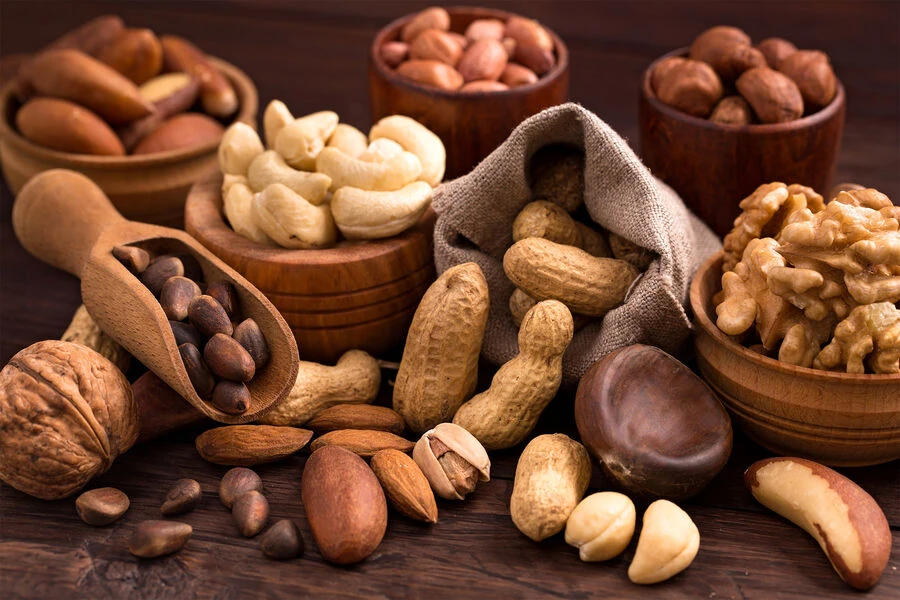
After four months of daily peanut consumption, older volunteers showed a change in how one brain region responded to insulin. This region includes part of the hippocampus, which is involved in memory. The findings of the Maastricht University study were published in the journal Food & Function.
The trial was completed by 31 healthy volunteers aged 60 to 75. Each participant went through two 16-week periods in random order: during one, they ate 60 g of unsalted roasted peanuts with their skins on every day; during the other, they ate no peanuts. There was an eight-week break between the periods. This design allowed researchers to compare each person's results under the two dietary conditions.
At the end of each period, the researchers measured blood flow using MRI before and after administering insulin through the nose. After the peanut-consumption period, blood flow in a small area of the right hemisphere decreased more strongly in response to insulin than after the period without peanuts. No such difference was found when averaged across the whole brain. There were also no significant changes in liver fat content or standard measures of glucose or cholesterol.
The researchers had already analyzed memory measures in the same participants in a separate study. The current findings offer a possible explanation for that analysis: the diet may have altered insulin sensitivity in a region important for memory formation.
The main finding was a localized change in the brain's response that warrants further investigation. It remains to be determined whether this change is linked to changes in memory and what role was played by the peanuts themselves versus other changes in the participants' diets.