make preferable
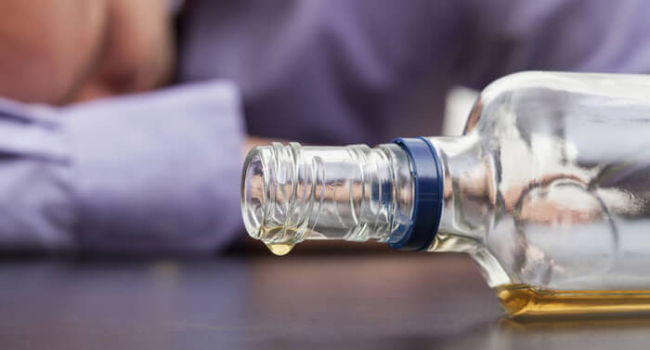
Regular alcohol consumption may reduce the effectiveness of cancer immunotherapy by nearly half. Researchers reached this conclusion after studying the effects of alcohol on the treatment of lung and bladder tumors in mice, as well as data from patients with lung cancer. The findings were published in the journal Science Signaling.
The scientists focused on immune checkpoint inhibitors—drugs that help the immune system recognize and destroy cancer cells. This group includes drugs that block the PD-1 protein, including pembrolizumab and nivolumab.
Normally, PD-1 acts as a kind of brake on T cells—immune cells that destroy tumors. Cancer cells can exploit this mechanism to suppress the immune response. Drugs that block PD-1 remove this restriction and allow T cells to attack the tumor.
To determine how alcohol affects treatment, the researchers gave mice moderate or high doses of alcohol for five weeks, then injected them with cancer cells and administered immunotherapy. The results showed that alcohol consumption reduced treatment effectiveness by approximately 50% and increased the likelihood of tumor regrowth.
An analysis of medical records from patients treated at the University of North Carolina Cancer Hospital in Chapel Hill between 2014 and 2018 revealed a similar pattern. Among patients with lung cancer who consumed more than one alcoholic drink per week, the survival benefits of anti-PD-1 treatment were less pronounced. However, the study identified an association between alcohol consumption and treatment outcomes, but does not in itself prove a causal relationship in humans.
The scientists also identified a possible mechanism behind this effect. Alcohol exposure reduced the number of CD4+ and CD8+ T cells involved in fighting cancer within tumor tissue. In addition, CD8+ cells became less active, produced less interferon-gamma—a signaling protein that helps the body fight tumors—and were less effective at killing cancer cells.
At the same time, the activity of another inhibitory receptor on immune cells, TIGIT, increased. It limits the immune response, preventing excessive immune cell activity, but in the tumor environment it can hinder an effective response to cancer.
In experiments on mice, the researchers attempted to overcome this effect by combining PD-1 blockade with a drug that inhibits TIGIT. This combination restored the rate of complete tumor response to treatment to nearly the level observed in animals that had not received alcohol.
The authors emphasize that further research is needed to assess the impact of alcohol on the effectiveness of immunotherapy. In particular, they propose systematically including information on alcohol consumption in medical databases to more accurately assess its association with treatment outcomes across different types of cancer.