make preferable
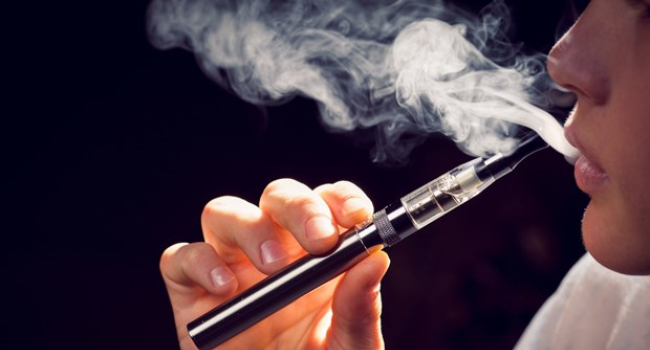
Even a single use of an electronic cigarette may negatively affect blood vessel function, and this effect is also observed when inhaling nicotine-free aerosol. This was the conclusion reached by researchers at the University of Pennsylvania. The findings will be presented at the annual meeting of the Radiological Society of North America (RSNA), Medical Xpress reports.
Electronic cigarettes heat a liquid to produce an aerosol that the user inhales into the lungs. Although vaping may expose a person to fewer toxic substances than smoking conventional cigarettes, this does not mean the habit is safe.
The study involved 41 people aged 20 to 50 who had smoked or used electronic cigarettes daily for more than a year. The control group consisted of 17 people who had never smoked or vaped.
Participants underwent magnetic resonance imaging (MRI) scans before and after three separate procedures: smoking a conventional cigarette, using an electronic cigarette containing nicotine, and inhaling nicotine-free aerosol.
The researchers assessed how quickly blood flow and oxygen levels recovered after a brief restriction of blood supply, the elasticity of the aorta and carotid arteries, and the response of the brain's blood vessels and its oxygen consumption.
Changes in circulation and oxygen saturation measurements were detected after each of the three exposures. In particular, baseline venous oxygen saturation—a measure of how much oxygen the blood carries—decreased after smoking and both types of vaping. This may indicate a short-term decline in oxygen uptake by the lungs.
Electronic cigarette use affected more measures of vascular function than smoking conventional cigarettes. The researchers also found significant changes in people who already smoked or vaped regularly, despite the assumption that their bodies might have partially adapted to these exposures.
The authors emphasize that the study assessed only the immediate effects of smoking and vaping. Long-term follow-up is needed to determine whether these short-term changes could lead to lasting cardiovascular problems over time.