make preferable
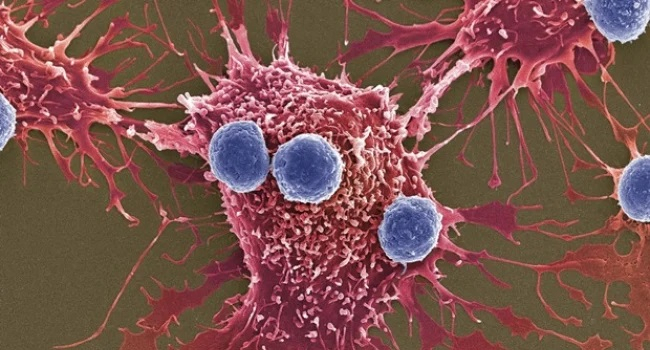
Researchers at Osaka Metropolitan University in Japan have modified a naturally occurring protein so that it binds the anticancer drug SN-38 more tightly and prevents its premature release.
The study was published in the International Journal of Biological Macromolecules.
This approach could improve drug delivery to tumors and help address the drug's low water solubility.
A team led by Professor Takashi Inui of the Graduate School of Pharmaceutical Sciences worked with L-PGDS, or lipocalin-type prostaglandin D synthase. Using computer modeling, the researchers identified two amino acids within the protein's cavity whose modification could strengthen binding to the drug.
SN-38 is an active metabolite used in chemotherapy, including in the treatment of breast and colorectal cancers. It targets topoisomerase I, an enzyme that temporarily cuts DNA strands to allow the cell to copy its genetic material and then rejoins them. Disrupting this process causes DNA damage and can kill cancer cells, which need to divide rapidly.
One obstacle to the use of SN-38 remains its poor water solubility, which limits effective delivery of the drug within the body. The researchers hope that the modified protein will retain the drug longer, increasing the likelihood that it will accumulate in tumor tissue and act on cancer cells.
The most promising protein variant had two modified amino acids and was designated M94W-M145W. According to Inui, its affinity for SN-38—its ability to bind to the drug—was approximately four times higher than that of the original protein. The drug's solubility increased approximately 3.3-fold when the modified protein was used. In addition, premature release of the drug from the carrier protein was significantly reduced.
The study's authors believe that modifying the binding sites between proteins and drugs will allow more precise control over drug retention and solubility. In the future, this could help researchers develop specialized carrier proteins for various drugs, including other substances with poor water solubility.