make preferable
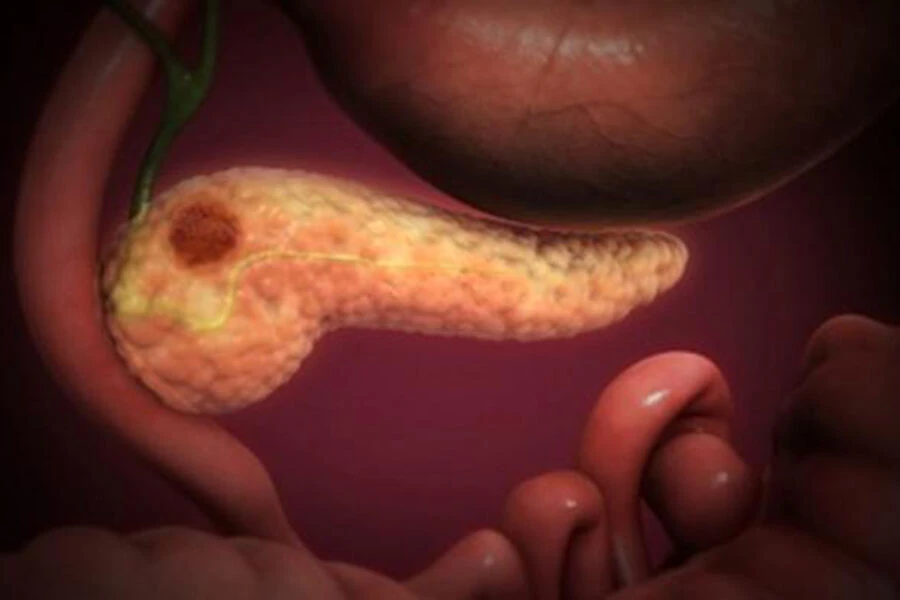
Pancreatic cancer is difficult to detect at an early stage: the disease often develops without obvious symptoms, and the first noticeable changes may not appear until the tumor has spread. Reasons to get a health check include pale stools, dark urine and abdominal pain. The Mirror reported this, citing guidance from researchers at the Medical University of South Carolina.
One characteristic sign of the disease may be jaundice — yellowing of the skin and the whites of the eyes. It occurs when a tumor obstructs the normal flow of bile. Two other symptoms are linked to the same disruption: stools become unusually pale, and urine turns dark.
“Another warning sign is pain in the upper or middle abdomen that may spread to the back. Pancreatic cancer can also cause unexplained weight loss, persistent fatigue and a reduced appetite,” the medical professionals explained.
However, these symptoms do not necessarily indicate cancer: they can also occur with other conditions. If they appear, though, it is important to see a doctor and undergo an examination.
“Pancreatic cancer is difficult to diagnose and is often detected late. About a quarter of patients with this diagnosis live for at least a year after the disease is detected, while the five-year survival rate is over 5%,” the experts warned.
The risk of developing pancreatic cancer increases with age. Experts list smoking, excessive alcohol consumption, obesity and low levels of physical activity among the factors that may contribute to the disease. Eating large amounts of red meat also poses risks — frying at high temperatures, smoking and adding preservatives (nitrites and nitrates) promote the formation of N-nitroso compounds and heterocyclic amines, which can damage cellular DNA.