make preferable
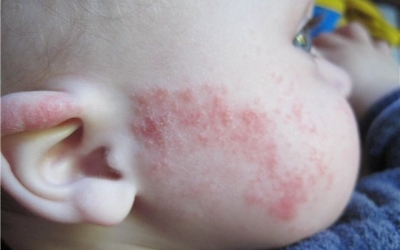
Many children with eczema will continue to have symptoms of the skin condition as adults, new research suggests.
Although eczema, or "atopic dermatitis," often begins during childhood, the new study found that kids with eczema will likely experience flare-ups into their 20s. In some cases, the researchers added, people could be dealing with the skin ailment throughout their lifetime, webmd.com reports.
"Eczema is a skin disease that usually occurs in young children. These patients have sensitive skin, prone to inflammation, infections and allergies," explained Dr. Joshua Zeichner, director of cosmetic and clinical research in the department of dermatology at Mount Sinai Hospital in New York City. "Itching is a hallmark of the disease and it is associated with significant health care costs, impairment of quality of life and interpersonal relationships, and lost time at school and work."
According to Zeichner, "it is generally thought that eczema resolves as young children get older. This study, however, followed the natural course of the disease over long periods of time and discovered that symptoms may persist longer than previously thought, lasting at least into the second decade of life or longer."
In the study, Dr. David Margolis at the University of Pennsylvania Perelman School of Medicine and his colleagues analyzed the eczema symptoms of a group of more than 7,100 children over time. On average, the children were just under 2 years old when their symptoms began.
The study, published online April 2 in JAMA Dermatology, found that more than 80 percent of the children continued to have eczema symptoms or went on to use medication to treat the condition every year until they were 26.
In a five-year follow-up period, 64 percent of patients said they never experienced a six-month stretch of time where they were not applying a medication to their skin.
The researchers pointed out that the children involved in the study had severe cases of eczema, which were associated with symptoms that were more difficult to treat.
"Children with eczema and their caregivers must pay special attention to their skin and be sure to adequately hydrate with the right ingredients, such as ceramides, that genetically may be lacking in their skin," said Dr. Doris Day, a dermatologist at Lenox Hill Hospital in New York City.
"Proper skin care must persist even during times when the eczema is under control," she added. "Stress management is also especially important in this particular group as stress may be a particularly important trigger for this condition."