make preferable
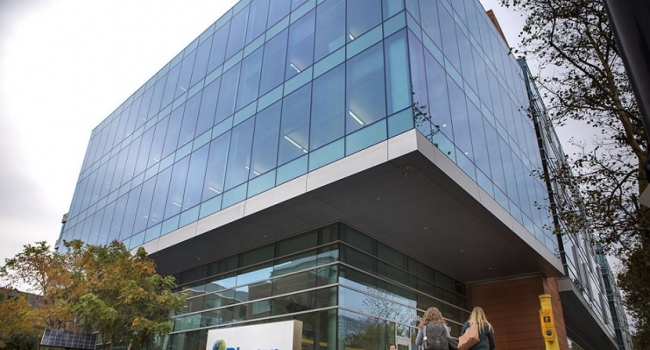
Biogen is moving aggressively to protect its lucrative multiple sclerosis franchise, filing patent lawsuits against more than two dozen companies to prevent them from selling generic versions of blockbuster drug Tecfidera, Boston Business Journal reported.
Cambridge-based Biogen (Nasdaq: BIIB) filed 26 different lawsuits in federal court between June 26 and June 30. The complaints accuse scores of drugmakers, including Mylan Pharmaceuticals and Novartis unit Sandoz, of infringing patents on Tecfidera through their efforts to market generic versions of the drug.
In the complaint against Sandoz, lawyers for Biogen wrote that the Cambridge drugmaker “will suffer substantial and irreparable harm for which there is no adequate remedy at law” unless the court orders Sandoz not to sell generic Tecfidera before three of the patents in question expire.
Biogen, the largest life science employer headquartered in Massachusetts, has been looking for ways to maintain its dominant position in the market for multiple sclerosis treatments. Since being approved by the FDA in 2013, Tecfidera has become Biogen’s biggest moneymaker, accounting for nearly $4 billion of the company’s $11.4 billion in total revenue in 2016. But Roche’s recently-approved multiple sclerosis drug, Ocrevus, could cut into sales of Tecfidera. Meanwhile, the patents at issue in the new lawsuits are set to expire between 2018 and 2028.
A Danish biotech, Forward Pharma, previously challenged the validity of one of the patents. Biogen settled that case in January by paying the company $1.25 billion and licensing its intellectual property. A similar case, filed by a group led by hedge fund manager Kyle Bass, was dismissed in March.
Some of the new cases filed by Biogen were reported by Reuters on June 30. In addition to Mylan and Sandoz, the targeted companies include Sun Pharma, Teva Pharmaceuticals and Glenmark Pharmaceuticals.