make preferable

Parkinson's disease strikes people every year, making even the simplest daily tasks a major c hallenge for them. For 54-year-old Mike Puzzi, the first troubling symptoms of Parkinson's surfaced in 2010, taking a toll on both his physical health and his psychological outlook.
But since June, the Arizona native has been on a pioneering new treatment, called SottoPelle Hormone Pellet Therapy. Developed by Scottsdale physician Gino Tutera, M.D., the therapy uses bio-identical hormones, delivered through implants placed under the skin, to ease the symptoms of Parkinson's and slow its progression.
Since starting treatment, Puzzi tells Newsmax Health, his health and psychological outlook have improved dramatically and his symptoms are largely under control.
"It was just an unbelievable change in my life," says Puzzi, of the impact of the therapy. "I've cut my medicine down from eight pills a day to four pills a day."
Dr. Tutera explains that the painless treatment method involves inserting a rice-sized pellet under the patient's hip which delivers a precise dose of hormones.
"Hormone therapy has been used in the past, and there's documentation in the medical literature that it has been beneficial, but the results have been so spotty because of the fact that they were always using other forms of delivering the hormones, usually pills, for the most part," Dr. Tutera explains.
But with SottoPelle therapy, the patient's heart rate and blood flow govern the release of hormones from the pellets implanted under the skin.
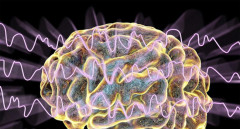
"It allows the body to control the release of the hormone, and therefore as long as your heart's beating and you have pellets in place, you’re getting a continual flow of hormone [which] then gives the brain the capability of increasing dopamine production and other … neurotransmitters, — serotonin, endorphins —all of which are beneficial to the Parkinson's patient," he tells Newsmax.
In addition, testosterone therapy helps build muscle, allowing for greater capacity for exercise, better physical endurance, and faster recovery from exercise or physical therapy.
Today, Puzzi says he has more energy, goes to the gym regularly without a problem, and has noticed improvements in his memory, concentration, sleep, and mobility.