make preferable
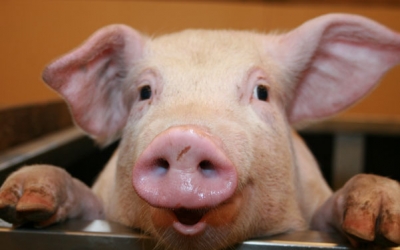
A year ago, scientists were able to graft genetically modified pigs’ hearts into baboons. And now, the team reports that the baboons and their pig hearts are doing just fine, iflscience.com reported.
The biggest challenge with transplants using animal organs (or xenotransplantation) is preventing the hosts from seeing their donor parts as foreign. In the past, organs that haven’t been genetically tweaked last no more than six months in primates before they’re rejected. One of the reasons pigs were chosen for this study is because their anatomy is already compatible with humans; pig valves are already being swapped for human heart valves, iflscience.com.
To further help pig parts evade our immune systems, a team from the National Heart, Lung, and Blood Institute (NHLBI) of the U.S. National Institutes of Health added several human genes to the pig genome -- while removing (or knocking out) genes that would trigger immune responses in humans.
The modified pig hearts were then transplanted into the abdomen of baboons alongside their own hearts. The baboons were treated with drugs that suppress their immune systems. So far, the combination of donor genetic modifications and host-targeted immunosuppression seems to work: Four xenografts have survived in the baboons for over a year. This is already twice as long as previously reported. The next step is to actually replace the original baboon heart with pig hearts to see if they can provide full life support.
The team believes that using animal parts may solve the shortage of organ donors.