make preferable
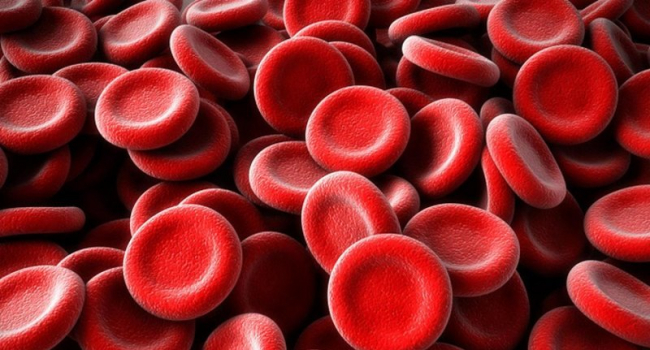
The key to changing blood types may be in the gut.
According to Live Science, enzymes made by bacteria in the human digestive tract can strip the sugars that determine blood type from the surface of red blood cells in the lab, a new study finds. That's important, because those sugars, or antigens, can cause devastating immune reactions if introduced into the body of someone without that particular blood type. A few enzymes discovered in the past can change type B blood to type O, but the newly discovered group of enzymes are the first to effectively change type A to type O.
"That's always been the biggest challenge," lead study author Stephen Withers, a biochemist at the University of British Columbia, told reporters today (Aug. 21) at a meeting of the American Chemical Society (ACS) in Boston.
As anyone who has given blood at the Red Cross can attest, type O blood is in high demand. That's because it lacks antigens on its cell membranes, making it the "universal donor" blood type — people of any blood type can take a type O transfusion without their immune system reacting to the red blood cells.
In contrast, type A, B and AB red blood cells have specific antigens on their surfaces, meaning that people with type A blood can donate only to type A or type AB recipients, and people with type B blood can donate only to those with type B or type AB. Stripping these blood types of their antigens before a transfusion could turn all blood types into universal donors, but researchers have yet to find enzymes safe and efficient enough to do the job.
Now, however, Withers and his colleagues think they might have some good candidates. In a presentation at the ACS meeting yesterday (Aug. 20), Withers shared study results showing that enzymes made with DNA extracted from human-gut microbes could remove type A and B antigens from red blood cells.
The researchers found these enzymes with a method called metagenomics. Instead of culturing microbe after microbe in a painstaking process, the research team simply extracted DNA from all the microorganisms found in the human gut. So, in one fell swoop, they grabbed the DNA blueprints for everything those microorganisms might make — including, it turned out, enzymes that help the bacteria pluck sugar-studded proteins called mucins off the walls of the digestive tract. (The bacteria eat these mucins.)
Molecularly speaking, mucins are a lot like blood cell antigens, so the enzymes can perform double duty, Withers and his team found. What's more, these enzymes were 30 times more effective at stripping off A antigens than the best-performing enzyme previously suggested for this purpose, Withers reported. And after the antigen stripping is completed, any leftover enzyme can be easily removed from the red blood cells with a simple washing step, he said.