make preferable
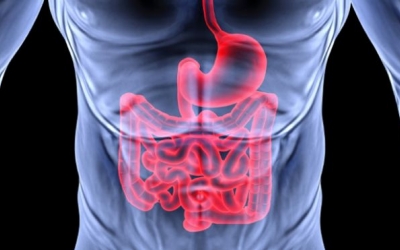
Scientists, led by Jiyoung Ahn, found patients with colorectal cancer had more “bad” bacteria in their gut than people without cancer. They also had fewer “good” bacteria – or probiotic bacteria, Fox News reports.
The study found that among people with colorectal cancer, there were higher numbers of Fusobacteria and Porphyromonas bacteria than in patients who didn’t have the disease. Fusobacteria and Porphyromonas, which are prevalent in both the mouth and gut, are associated with inflammation of the digestive tract as well as periodontal disease.
Ahn and her colleagues also noticed lower levels of Clostridia – “good” bacteria – in the gut of cancer patients. Clostridia – of which there are several forms – is important in the fermentation and digestion of fiber and carbohydrates. Clostridia also creates a chemical butyrate, which is believed to moderate inflammation and cancerous mutations in the colon.
If Ahn is correct, it opens up the possibility that taking steps to maintain a healthy balance of bacteria in the gut could reduce the number of cases of colon cancer. She says adjustments to diet, taking probiotics and judicious use of antibiotics could keep bad bacteria in check and allow beneficial bacteria to flourish.