make preferable
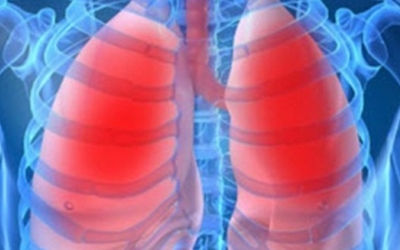
The study found that nearly 1 in 5 lung tumors detected on CT scans are probably so slow-growing that they would never cause problems, Newsmax Health reports.
The analysis suggests the world's No. 1 cause of cancer deaths isn't as lethal as doctors once thought.
The findings underscore the need to identify biological markers that would help doctors determine which tumors are harmless and which ones require treatment, said Dr. Edward Patz, Jr., lead author and a radiologist at Duke University Medical Center.
More than 200,000 Americans are diagnosed with lung cancer each year, and more than half of them die. Worldwide, there are about 1.5 million lung cancer deaths annually.
The new study is an analysis of data from the National Cancer Institute research involving 53,452 people at high risk for lung cancer who were followed for about six years.
Half of them got three annual low-dose CT scans - a type of X-ray that is much more sensitive than the ordinary variety - and half got three annual conventional chest X-rays. During six years of follow-up, 1,089 lung cancers were diagnosed in CT scan patients, versus 969 in those who got chest X-rays.
That would suggest CT scans are finding many early cases of lung cancer that may never advance to the point where they could be spotted on an ordinary chest X-ray.
An earlier report on the study found that 320 patients would need to get CT screening to prevent one lung cancer death.
Now it's known that certain cancers, including many prostate cancers, grow so slowly that they never need treatment.
The American College of Radiology said in statement that the earlier study with low-dose CT scan significantly reduces lung cancer deaths in high-risk patients.