make preferable
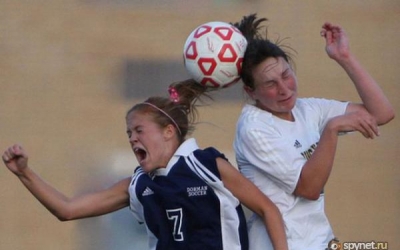
People often associate concussions in youth sports with football. But the problem goes far beyond America’s most popular sport.
Myth No. 1: Concussions are mainly a football problem
Football takes the spotlight because it’s the most common sport in which kids experience concussions and the most thoroughly studied. But there are 30 million kids in organized sports programs throughout the ՒՍԱ, and other sports face this problem too. Soccer, gymnastics, hockey and lacrosse — all can involve concussions. Believe it or not, the next sport that has the highest incidence of concussion is girls’ soccer, then boys’ soccer.
Myth No. 2: Kids are getting sports-related concussions at a higher rate
Myth No. 3: Headaches are a normal part of contact sports
There are several concussion symptom presentations that don’t even necessarily involve headaches, but can be just as debilitating. Such symptoms include light sensitivity, fatigue, poor school performance, dizziness, sleep disruption and nausea.
Myth No. 4: You have to lose consciousness to have a concussion
Myth No. 5: Your child must go to the emergency room for a concussion
Not all concussions require emergency care, but watch for red flags: complaints of the worst possible headache, vomiting, unequal pupils or other neurological concerns. These may warrant a trip to the ER.
However, in most cases you can take your child to a primary care doctor — or a concussion specialist if needed. An ER doctor won’t be up to date on your child’s information in the way your primary care doctor is.
Myth No.6: Concussion treatments are “one size fits all”
There’s no one method to treat a concussion. Everyone’s symptoms are a bit different, and they last for varying periods of time.