make preferable
For all those women who dread the invasive pelvic exam, I have some good news for you: The procedure may no longer be a necessary part of a woman’s gynecological checkup. In a recent review by the American College of Physicians (ACP), experts have found the pelvic exam to have no benefit to the average woman. But just where did this extremely personal exam come from and why did it take so long for us to realize its ineffectiveness?
So Long, Stirrups!
A team of doctors from the ACP reviewed 52 published studies on the low success rate of routine pelvic exams before concluding that the test was overall unnecessary for unsystematic women. Their study is published online in the Annals of Internal Medicine. Through their research, the team found that the common procedure, performed on 63.4 million U.S. women in 2008, is only helpful in cases where women have symptoms such as abnormal bleeding, pain, urinary problems, sexual dysfunction, or vaginal discharge, Medical Daily reported.
This ruling does not extend to the Pap Smear, which is still recommended as an important test for cancer and HPV.
What troubled researchers even more than the test's ineffectiveness was its tendency to deter some women from getting necessary medical care. Fear or dread of this examination would cause many women to simply forgo a visit to the gynecologist, even if they experiencing worrying symptoms.
The Origins of the Pelvic Exam
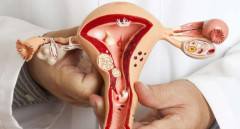
Most women over the age of 21 are familiar with the pelvic exam. It involves doctors inserting a lubricated, gloved finger into the woman’s vagina. With the other hand, the doctor will press down on her abdomen in order to check the shape and size of her uterus and ovaries.
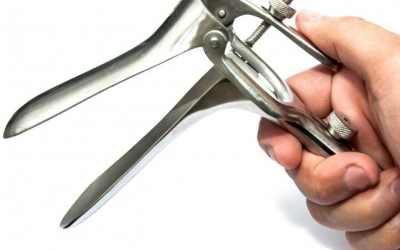
The origins of the modern pelvic exam, and all gynecology, are none other than Paris. In the early 19th century, Dr. Joseph Recamier "rediscovered and popularized,” the speculum. This device, which is inserted inside of the vagina to open it wider in order to see what was going on, has been around since ancient times. Remnants of a speculum were found in the ruins of Pompeii. Outside of France the examination was deemed to be unnecessary and the procedure was through to sacrifice a woman’s delicacy.
Why Has It Taken So Long?
The debate over the need for a pelvic exam has ensued for years. The beginning of the end for the exam began in December 2012, when a group of researchers from the University of California, San Francisco, first began looking into the effectiveness of the procedures. The doctors found that the exam was being vastly misused, being done on older women without any reproductive organs and being done on woman much younger than the recommended 21 years of age. The bimanual pelvic exam is not recommended for ovarian cancer screening, so they wondered under what circumstances the exam is being performed and why.
Doctors explain that part of the reason they continue to administer the exam, even though they realize it has limited use, is because the patients have come to expect it. Some doctors feel the exam “reassures patients, because it ensures adequate compensation for routine gynecologic care.