make preferable
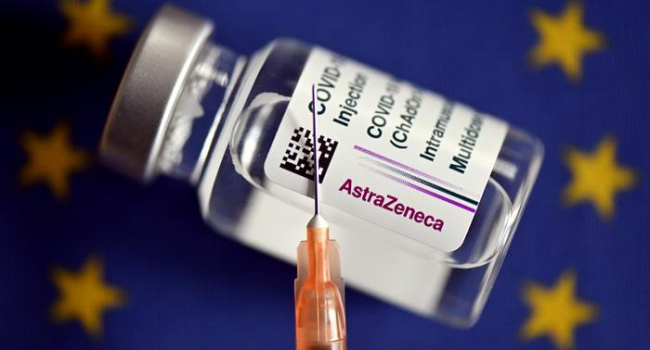
Vaccination against COVID-19 with a respective drug recognized in the European Union (EU) allows Armenian citizens to travel to Europe. This is what everyone in Armenia thought until recently. But as it turned out, this is not so.
Mark Grigoryan, director of the National Museum-Institute of Architecture of Armenia, wrote on Facebook that he plans to travel to Norway and has already received two doses of the AstraZeneca vaccine, which is recognized by the EU. But an unexpected problem arose. It turned out that the respective QR code he received in Armenia is not recognized in Europe.
Grigoryan applied to the Ministry of Health of Armenia, where he was given the phone number of Armed eHealth, the company which issues these QR codes.
"The usual bureaucracy followed: I was sent from the company to the Ministry of Health, from there, for some reason, to a laboratory (what laboratory?), and from the laboratory—to Armed [company] and the Ministry of Health. The circle was closed. And when it closed, I was advised to write a petition addressed to the [acting] minister [of health]," Grigoryan wrote, in particular.
Commenting on this situation, the Ministry of Health said that AstraZeneca—which is also vaccinated in Armenia—is recognized in the EU, and the problem is most likely the QR codes.
According to the ministry, negotiations are underway between Armenia and the EU on the recognition of respective certificates that are issued in Armenia, and this, in fact, means that these certificates are not currently recognized in Europe.
According to the statement by the Ministry of Health, the Ministry of Foreign Affairs (MFA) is negotiating on this issue. But since there is no foreign minister, deputy foreign ministers, or a MFA spokesperson in Armenia today, it is not possible to find out at what phase these negotiations are and when those vaccinated against COVID-19 in Armenia can actually travel to Europe.