make preferable
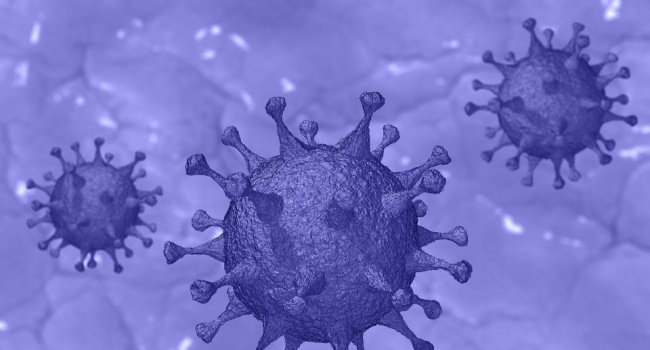
Mutations affecting the S-protein of the SARS-CoV-2 coronavirus can lead to new strains that are resistant to vaccines, scientists from Pittsburgh in the United States say. According to a press release on MedicalXpress, the specialists reviewed the scientific literature, including 139 studies. Based on the available data on emerging strains of coronavirus, the scientists described the structures and functions of different neutralizing antibodies targeting spike S-protein of coronavirus, which plays a crucial role in binding the virus to ACE2 receptors. In this way, they figured out which mutations could help the virus to evolve into elusive variants and avoid neutralizing antibodies.
Most mutations have a negative or neutral effect on virus adaptability. But some mutations give viruses a selective advantage, making them more infectious, transmissible and resistant to antibody responses and therapeutic agents. Scientists have described escaping mutations from several neutralizing antibodies that reduce the ability of antibodies to bind to the receptor-binding domain of the S-protein. Further research is needed to better understand how these mutations affect disease severity and mortality, the scientists said.