make preferable
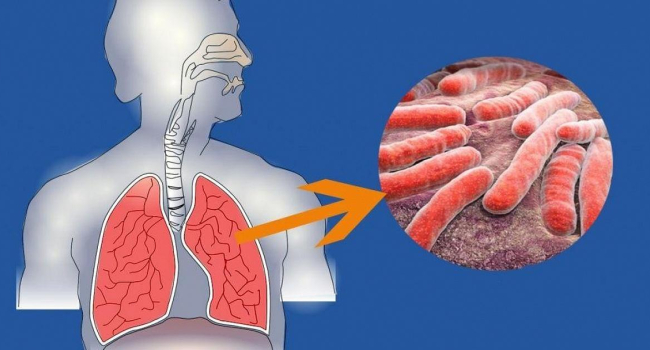
Anyone can get tuberculosis, regardless of sex, age, or social background. However, some people have a much higher risk of being infected than others. Naira Khachatryan, head of the office of the National TB Control Program and TB doctor, said during a conversation with journalists that TB is an infectious disease which is transmitted through the air: a patient with an infectious form of TB breathes mycobacteria into the environment and they get into the airways of others and infect them. Even a small number of mycobacteria entering the body is sufficient to cause infection. However, not always an infected person develops an active form of the disease: Often the immune system manages to keep the infection under control, and a person may not even realize for years that he is infected with tuberculosis. But if such a person's immune system weakens, the disease can manifest itself - even many years after the initial infection. According to the specialist, there are two main groups of risk factors: social and medical. The social ones usually refer to a person's living conditions and behavior. Risk groups include people living in closed institutions (prisons, boarding schools for the elderly or children, hospitals), as well as people with addictions, migrant workers, and the homeless. All of these people are considered to have an increased risk of contracting tuberculosis and of manifesting the disease. As for medical risk factors, these include diseases that weaken the immune system, such as diabetes or HIV infection. People with these diseases have a much higher chance of encountering tuberculosis and complications from it, so special preventive measures are often implemented among them.