make preferable
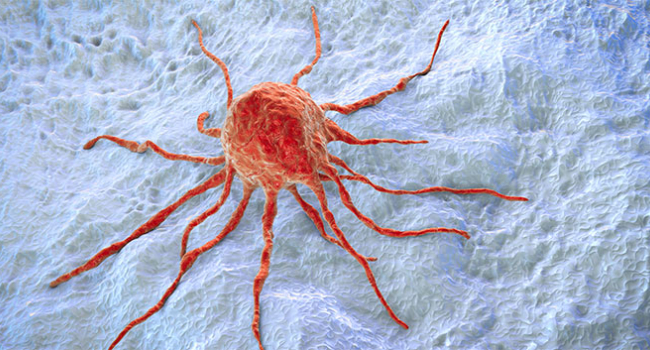
Scientists have developed a protein gel containing atoms of radioactive iodine-131 that could be used to fight severe forms of pancreatic cancer and other hard-to-reach tumors. The work by researchers from India and the United States was published in Nature Biomedical Engineering. Doctors typically use several different forms of radiotherapy. In addition to gamma rays, therapy based on accelerated particles: protons, neutrons or nuclei of heavier elements has become popular in recent years. These approaches effectively destroy tumors, but they have a negative impact on neighboring body tissues. This makes it difficult to fight those forms of cancer that occur at great depths, as well as inside or in close proximity to the bones. Researchers have solved this problem by using a radioactive protein gel: it can be injected inside a tumor and destroyed by beta radiation caused by the decay of unstable iodine-131 nuclei. This radiation does not penetrate as far inside the body as gamma rays and provides a pinpoint effect on the tumor. Gel is a form of protein-elastin that remains liquid at room temperature, but turns into a gel when heated after being injected into the body. The structure of the protein part is chosen in such a way that it gradually degrades as the iodine-131 atoms decay and turn into stable xenon. This ensures that the substance is eliminated from the body. Scientists tested the development on mice, in the body of which cells of aggressive forms of pancreatic cancer were implanted. After formation of large tumors and injected into them radioactive gel and its combinations with nanoparticles containing a form of chemotherapy - paxlitaxel. Experiments showed that the development completely destroyed tumors in 80% of rodents and significantly reduced the volume of neoplasms in the remaining mice. This rate was significantly higher than that achieved with a combination of conventional radiotherapy and paxlitaxel.