make preferable
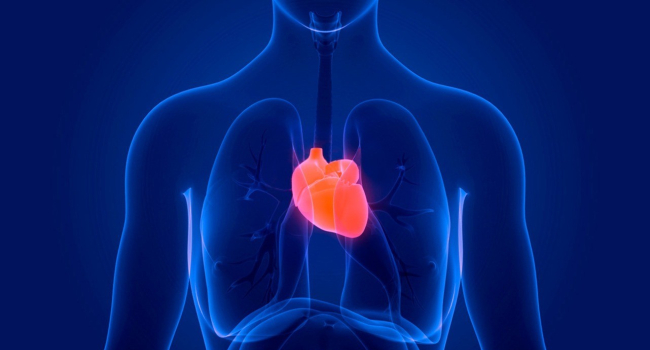
A new study by American scientists has shown that as heart cells mature in mice, the number of communication pathways, called nuclear pores, decreases dramatically. In humans, a similar pattern may be observed, interfering with regeneration of adult heart cells, at the University of Pittsburgh researchers' paper was published in the journal Developmental Cell. Many human body tissues retain the ability to recover from damage. However, the heart loses this ability over time. In adulthood, cells go into a terminal state in which they can no longer divide. In the new work, scientists used high-resolution microscopy to observe nuclear pores in mouse heart cells and in cardiomyocytes. It turned out that their number decreased by 63% with age. Previously, scientists found that the Lamin b2 gene, which is secreted in newborn mice, plays an important role in cardiomyocyte regeneration. Blocking of its expression led to a decrease in the number of nuclear pores and decreased regenerative ability of cardiomyocytes. Various stress situations send signals to the cardiomyocyte nucleus that alter gene pathways. This leads to structural remodeling of the heart, a major cause of heart failure. Mice that have been engineered to express fewer nuclear pores have shown less modulation of gene pathways involved in damaging cardiac remodeling. Heart function was better in these rodents. According to the scientists, the Lamin b2 gene, which is highly expressed in newborn mice but declines with age, is important for heart cell regeneration. According to them, this discovery will help find new ways to prevent various heart diseases in the future.