make preferable
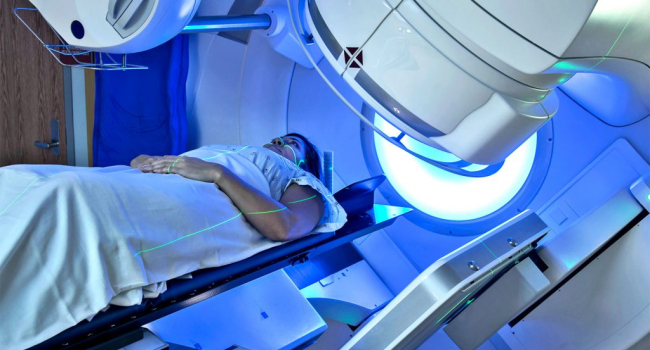
Short and powerful radiation, called FLASH therapy, is effective and at the same time safe when used to relieve pain in terminal cancer patients, researchers from Harvard Medical School have found. Their findings are published in JAMA Oncology. In the first trial, researchers used FLASH therapy to relieve pain in 10 patients with hand and leg bone metastases at 12 sites. In eight of the 12 cases, patients reported pain relief. The patients required one short procedure, which lasted an average of 19 minutes and was equivalent to several sessions of standard therapy. Side effects were mild and no different from conventional irradiation. Four patients had darkened skin tone, one had skin discoloration, two had mild swelling of the extremities, two had skin itching, one had fatigue, one had reddened skin, and one had pain in the extremities. FLASH therapy is a new technology that uses directed proton beams with 300 times the power of conventional radiation. The short exposure of 0.3 seconds does not damage adjacent tissue, which reduces the chance of long-term complications. Right now, the technology is in its infancy, but researchers hope it will eventually replace radiation therapy. For now, this treatment is intended for those whose life expectancy is about three months, and the main goal is to treat pain.