make preferable
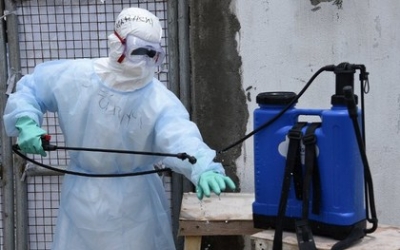
Thousands of doses of experimental Ebola vaccines should be available in the coming months and could eventually be given to health care workers and other people at high risk of the deadly disease, the World Health Organization said Friday.
The number of deaths linked to the disease has now passed 3,000, according to a WHO toll published Friday. In just two days, more than 150 people died in Liberia, the hardest-hit country. And WHO has warned that even those high tolls might be an underestimate as patients fear going to hospitals or are turned away from overcrowded facilities.
No vaccine has yet been proved to be safe or effective in humans, said Marie-Paule Kieny, assistant director-general at WHO, who spoke at a news conference in Geneva that was later shared by email. Testing must first be done to ensure they are not harmful to people, some of which has already begun, she said.
The outbreak, which has also touched Guinea, Sierra Leone, Nigeria and Senegal, is believed to have sickened more than 6,500 people. U.S. health experts have warned that the number of infected people could explode to 1.4 million by mid-January, but that it could peak well below that if the response is ramped up.
The outbreak has ballooned beyond a health crisis into an economic and humanitarian one. With growth already slowing dramatically in Guinea, Sierra Leone and Liberia, the International Monetary Fund approved $130 million in loans on Thursday for those three hardest-hit countries. That will fill about half the $300 million the fund estimates these countries will need in the coming months.