make preferable
A case of human infection with Western equine encephalitis (WEE) has been detected in Argentina, the National Coordination Center for Health Regulations of Argentina notified the World Health Organization on December 20, according to the WHO website.
As noted in the organization, this is the first confirmed human case of this infection in almost three decades. Prior to that, WEE was detected in Argentina in 1982/1983, when there was an outbreak of the disease among horses, and in 1996 - then a single case of human infection was detected.
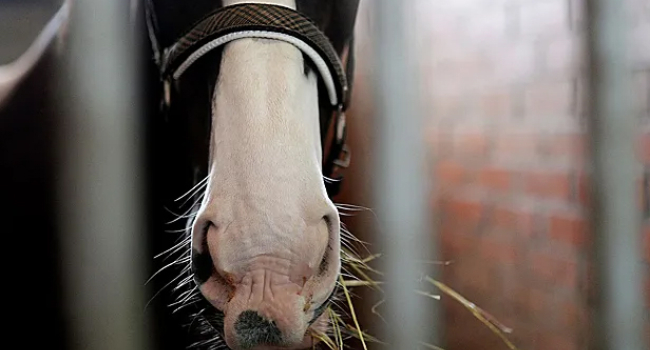
WHO noted that the patient was an adult from Santa Fe province, a rural worker from an area where horses had previously tested positive for the infection.
In mid-November, the patient developed symptoms including headache, myalgia, dizziness, disorientation and sudden fever. The patient was transported to a medical facility where he required intensive care and was connected to a ventilator for 12 days. The patient was discharged on December 20 and is under outpatient observation.
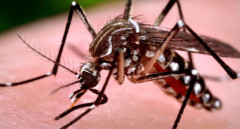
Western equine encephalitis is a rare mosquito-borne disease that affects horses and humans. In humans, WEE can cause illness ranging from subclinical or mild symptoms to severe forms of aseptic meningitis and encephalitis.