make preferable
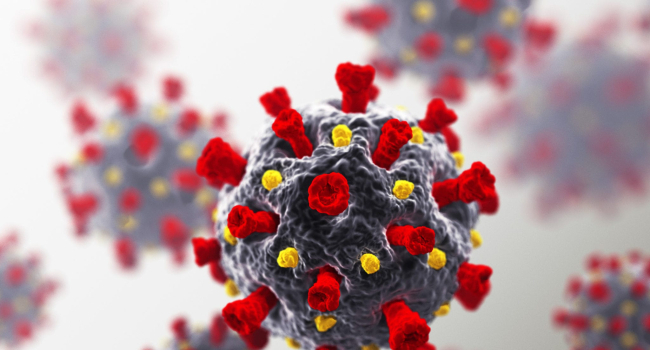
Researchers from Kobe University in Japan have found out that infection with SARS-CoV-2 is due to the presence of an enzyme that can counteract the cell’s innate defense mechanism against viruses. The findings of their respective study were published in the Journal of Virology.
The researchers noted that SARS-CoV-2, the virus that causes COVID-19, is more infectious than severe acute respiratory syndrome (SARS) and Middle East respiratory syndrome (MERS) viruses.
According to them, the enzyme of the new coronavirus can destroy the molecular tag ISG15, which the immune system uses to protect against viruses. The researchers noted that this marking interferes with the assembly of the virus's nucleocapsid protein, the genome, into a protein shell.
Nucleocapsid is necessary for the virus to multiply and penetrate into a sensitive cell of the host. The special enzyme of SARS-CoV-2 effectively removes the ISG15 tag, allowing the virus to continue its activity.
According to virologist Ikuo Shoji, who lead the research, the enzyme of the new coronavirus explains its high infectivity.
This finding could lead to the development of new drugs that block this enzyme, or its effect on the nucleocapsid protein, making treatment more effective.