make preferable
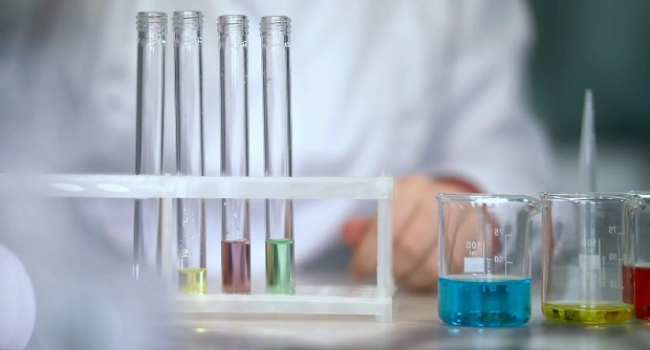
A recent study has raised alarm among scientists about the growing resistance of the bacterial pathogen Pseudomonas aeruginosa to common disinfectants, News Medical reports.
Research conducted by chemists at Emory University examined pathogen resistance to quaternary ammonium compounds (QACs), the active ingredients in many hospital and household cleaners that have proven ineffective at killing the dangerous organism.
A study published by the American Chemical Society in the journal Infectious Diseases found that 80% of tested multidrug-resistant strains of Pseudomonas aeruginosa collected from hospitals around the world were completely resistant to QAC, reports Focus. This development is cause for concern given the long-term use of QACs in cleaning products, which have been considered a reliable method for over a century.
Emory University Professor William Wuest, senior author of the aforesaid study, noted the serious scale of this resistance, which poses a potential threat to infection control measures in hospitals. Because improper use of these cleaners can contribute to resistance, Wuest emphasized the importance of following proper cleaning protocols, such as waiting the appropriate amount of time after using the product.
The research team also explored alternatives to QAC, discovering a new compound known as a quaternary phosphonium compound (QPC). Developed in collaboration with Villanova University, this new biocide has been highly effective in killing resistant strains of Pseudomonas aeruginosa. Unlike traditional disinfectants, the SSF works by selectively attacking the inner membrane of bacteria, bypassing the outer protective barrier, which may explain its effectiveness. Study co-author Hermán Vargas-Cuébas emphasized that this approach offers a promising new mechanism to combat resistant pathogens.
Worldwide, Pseudomonas aeruginosa causes more than 500,000 deaths annually and is recognized by the World Health Organization as an important priority pathogen. Its prevalence in hospital environments such as sinks, drains, and washing equipment makes it particularly dangerous for immunocompromised patients.
The ability of bacteria to form biofilms on medical devices further increases the risk of infection in patients with invasive devices such as catheters.
The findings of this study could lead to considerable changes in hospital disinfection protocols, which could influence the development of new disinfectants.
The researchers hope that the discovery of a new mode of action for SSF will spur further innovation in disinfection technology, especially as the battle against antimicrobial resistance continues.
Professor Wuest is optimistic about the future, noting that this work lays the groundwork for much-needed advances in disinfectant research.
In addition to its relevance to hospitals, the study highlights the broader task of increasing resistance to cleaning agents in the context of increased use of disinfectants during the COVID-19 pandemic. It was probably during this period that certain strains of bacteria, such as Pseudomonas aeruginosa, had a greater opportunity to develop resistance due to the widespread use of cleaning agents.
As research continues, these findings are expected to have long-term implications for both public health and hospital sanitation strategies.