make preferable
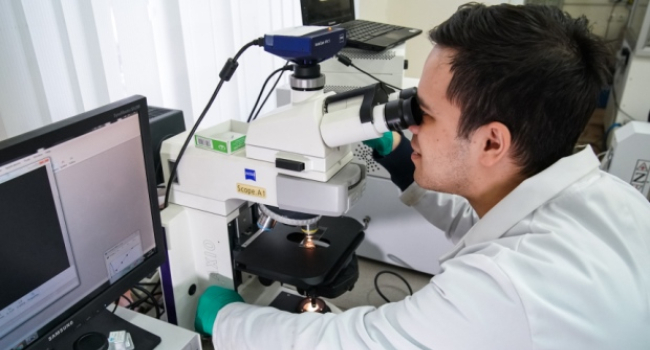
Researchers at the National Research University of the Higher School of Economics of Russia have created a machine learning model that predicts the likelihood of complications in the event of a myocardial infarction. The respective study was published in the journal Frontiers in Medicine.
Ischemic heart disease is a condition when the heart does not receive enough blood and oxygen due to narrowing or blockage of blood vessels, reported Scientific Russia. Blisters appear on the walls of vessels. Ischemic disease can occur as angina (chest pain), myocardial infarction (heart attack), or some other complications.
According to the World Health Organization, ischemic heart disease is the most frequent cause of death in the world, accounting for 13 percent of deaths.
The aforesaid researchers have built a model that can predict the likelihood of complications during a myocardial infarction. They considered 39 factors. And to select the effective model, the researchers studied several machine learning algorithms: gradient boosting (CatBoost and LightGBM), random forest, logistic regression, and AutoML approach.
It turned out that the CatBoost model was the most effective. It builds predictions through consistently building and training "weak" decision trees. In this case, the algorithm divides the data into two parts: the model is trained on one part of the data, and the errors are taken into account in the other part.
The results showed that the dose of statins is the most important factor influencing the probability of complications. High-dose statins reduce this risk, especially for patients with an unfavorable genotype. The VEGFR-2 polymorphism was the fourth most important.
The researchers emphasize that the analysis of genetic data helps to create more reliable and personalized prediction models.