make preferable
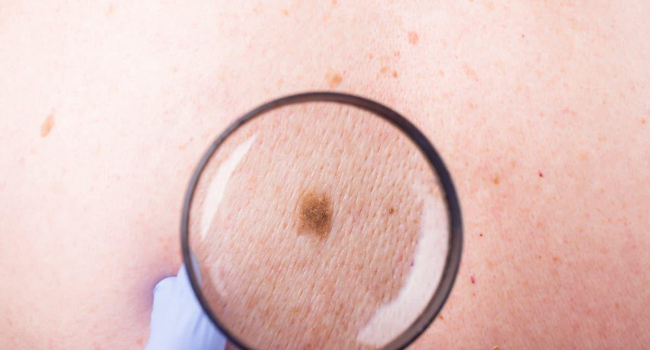
Researchers from the University of Sydney have found a link between a high risk of mortality from melanoma and the thickness of the malignancy. The results of the study are published in the journal JAMA Dermatology. The researchers analyzed data from Australian population-based registries from 1982 to 2014, focusing on information on people with skin cancer (144,447 people). The results showed that survival rates for patients with invasive melanoma of 1.0 mm or less depended on tumor size. Researchers found that among subjects 20 years after diagnosis, the overall survival rate for melanoma was 91.9%. However, the rates varied depending on the thickness of the malignancies: 94.2% of patients with tumors less than 0.8 mm survived, while among patients with tumors 0.8-1.0 mm thick, the probability of successful remission was 87.8%. According to the researchers, the results support the utility of using a tumor thickness threshold to divide melanoma patients into high- and low-risk groups. An important conclusion of the study is also the need for long-term follow-up of patients in the high-risk group, as the likelihood of melanoma mortality in them continues to increase even two decades after diagnosis.