make preferable
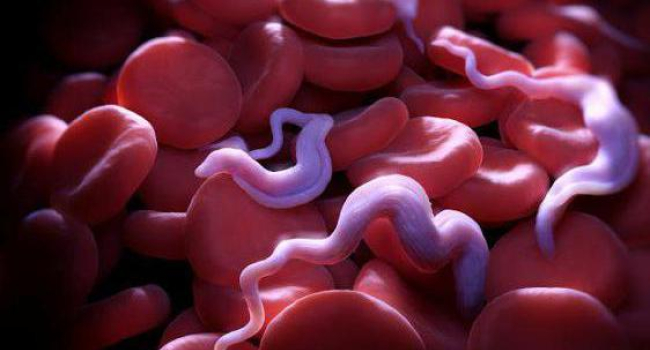
Guinea has eliminated a dangerous parasitic disease, African human trypanosomiasis (ATH), known as sleeping sickness. This was announced by the World Health Organization (WHO), which congratulated Guinean colleagues on this important achievement.
WHO “congratulates Guinea on the elimination of the Gambian form of human trypanosomiasis as a public health problem,” the statement said. This form of HAT is the only one whose transmission has been recorded in Guinea. According to WHO Director-General Tedros Adhanom Ghebreyesus, Guinea's success “signals global progress in the fight against neglected tropical diseases and represents a ray of hope for nations fighting ATCH.” For her part, WHO Regional Director for Africa Matshidiso Moeti saw the elimination of ATCH in Guinea as a “significant achievement” and an “important milestone”.” “Vulnerable families and communities can now live free from the threat posed by this potentially deadly disease,” she noted. The WHO recalled that seven African states had previously rid themselves of the Gambian form of ATH - Togo, Benin, Côte d'Ivoire, Uganda, Equatorial Guinea, Ghana and Chad. In addition, the Rhodesian form of the disease has been eliminated as a public health problem in Rwanda.
Human African trypanosomiasis (HAT), or sleeping sickness, is a vector-borne disease caused by Trypanosoma protozoa, transmitted through tsetse fly bites. There are two forms: Trypanosoma brucei gambiense, prevalent in West and Central Africa, accounts for over 92% of cases, while Trypanosoma brucei rhodesiense is found in East and Southern Africa. The disease begins with fever, headache, swollen lymph nodes, and joint pain as the parasites multiply in tissues and blood. In the second stage, they invade the central nervous system, leading to behavioral changes, confusion, and disrupted sleep patterns, which is characteristic of the disease. Without treatment, HAT is typically fatal, though spontaneous recovery has been noted.