make preferable
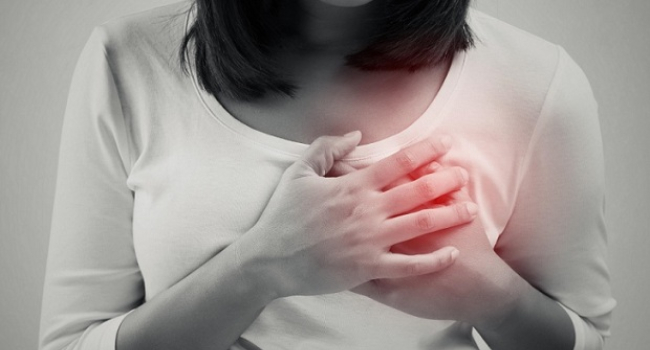
For decades, doctors and researchers have puzzled over a basic heart rhythm mystery: Why do women tend to have faster heartbeats while men are more likely to develop irregular rhythms like atrial fibrillation (AFib)? Now a new study from The Ohio State University Wexner Medical Center provides some insight, informed the center.
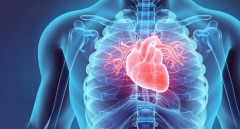
The research shows that the sinoatrial node (SAN)—a small but powerful structure in the human heart that serves as its natural pacemaker and initiates every normal heartbeat—runs on different gene blueprints in men and women.
The study found that women have genes that help their hearts beat faster while men have gene networks that may lead to heart problems like AFib.
The research was recently published in the American Heart Association's Circulation: Arrythmia and Electrophysiology.
Researchers at Ohio State University's Dorothy M. Davis Heart and Lung Research Institute and Bob and Corrine Frick Center for Heart Failure and Arrhythmia examined donated human hearts to unmask unique gene sets in the SAN pacemaker cells responsible for the generation and maintenance of heart rates.
They analyzed genes and pathways involved in pacing, metabolism, inflammation and fibrotic remodeling and discovered distinct patterns tied to biological sex.
“Women showed higher levels of TBX3 and HCN1, which are two key genes that help drive faster heart rhythms,” said Ning Li, MD, PhD, Ohio State research assistant professor and co-author of the study. “In contrast, male hearts had more activity in gene networks related to inflammation and collagen production, which can interfere with electrical signaling and increase the risk of arrhythmias.”
The researchers said the findings could help lay the groundwork for more personalized, patient-specific approaches to treating heart rhythm disorders.