make preferable
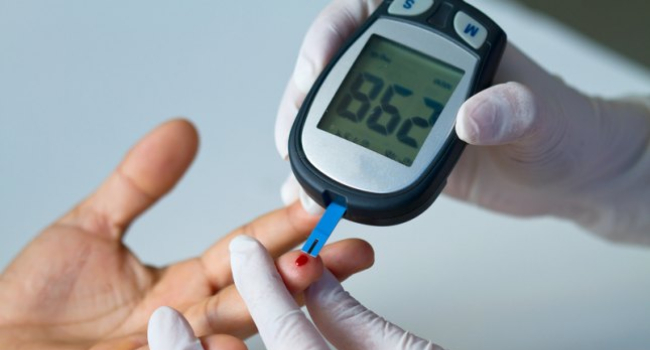
Even a slight increase in blood sugar levels can negatively affect sperm motility and erectile function. This is the conclusion reached by scientists from the University Clinic of Münster. The results of the study were presented at the annual conference of the Endocrine Society ENDO 2025 in San Francisco.
The study involved 117 men aged 18 to 85 without diabetes, cardiovascular disease, or cancer. Monitoring of the participants' health began in 2014 and ended in 2020.
The scientists tracked changes in sperm composition, hormone levels, glycated hemoglobin (HbA1c) levels, body mass index, and other indicators of metabolic health. HbA1c is a biochemical indicator that reflects the average blood glucose level over a certain period (usually two to three months).
The study showed that even with HbA1c levels below the threshold value of 6.5% (used to diagnose diabetes), men experienced a decrease in sperm motility and erectile dysfunction. At the same time, testosterone levels remained stable overall and did not have a noticeable effect on sexual function.
“Age and testosterone levels have long been considered key factors in the decline of sexual health in men. However, our data show that mild metabolic disorders, especially high blood sugar, may play a decisive role,” said Professor Michael Zittmann, a physician at Münster University Hospital.
According to him, men can effectively maintain their reproductive health through lifestyle changes and timely medical support.