make preferable
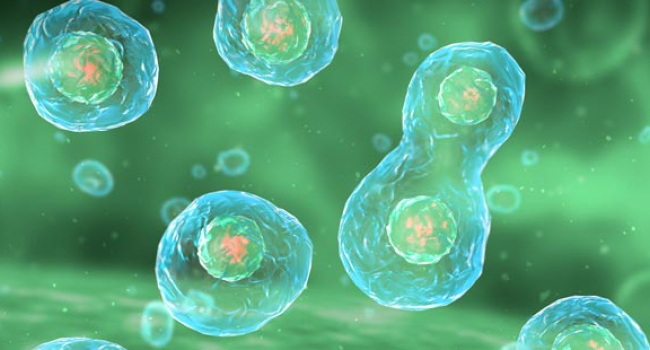
An international team of scientists has discovered that a single tumor can contain five distinct types of cancer cells. The researchers reached this conclusion by using a new artificial intelligence–based tool. The study’s findings were published in the journal Cancer Discovery.
Previously, cancer tumors were considered relatively homogeneous, but the research confirmed that they can host cells with different characteristics: some proliferate aggressively, others are resistant to treatment, and some remain “dormant” for long periods, only to later cause a relapse.
This heterogeneity is especially evident in triple-negative breast cancer, an aggressive form of the disease. These tumors do not respond to hormone therapy because they lack receptors for estrogen, progesterone, and the HER2 protein.
The AI algorithm, called AAnet, analyzes gene activity in individual tumor cells and identifies shared patterns. Using this technology, scientists studied samples of triple-negative, HER2-positive, and ER-positive breast cancers. As a result, they identified five stable cancer cell types, each behaving differently: some are more prone to metastasis, others resist drugs, and some are linked to poorer prognoses.
According to the researchers, current cancer treatments often assume all tumor cells are the same. But if some cells don’t respond to therapy, the disease can return. The new method not only detects such resistant cells but also reveals how they differ, allowing for tailored drug combinations that can target and destroy all of them.
The discovery may bring medicine closer to developing personalized treatment approaches. “Instead of a one-size-fits-all strategy, patients could receive therapy precisely tailored to the unique composition of their tumor,” the scientists noted.
The team now plans to test the technology on other types of cancer.