make preferable
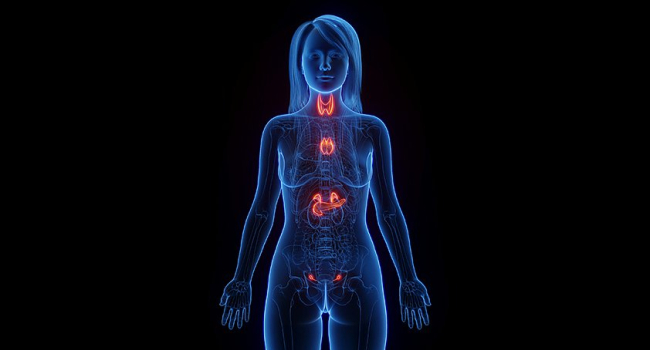
The female hormonal system responds less to high doses of alcohol than the male hormonal system. This may be a built-in biological mechanism that protects the fetus in the early stages of pregnancy. This conclusion was reached by researchers at the University of California, San Diego. The study was published in the journal Alcohol: Clinical & Experimental Research (ACER).
The study involved 66 young people aged 21 to 25, including 35 women. All participants had no history of mental disorders and did not abuse psychoactive substances. Researchers assessed how a sharp intake of alcohol affects the body's physiological and hormonal reactions, including stress levels.
The study subjects drank a drink with 20% alcohol content. Then, the researchers monitored the alcohol levels in the air they exhaled, their blood pressure, body temperature, heart rate, and concentration of stress hormones in the blood. These measurements were taken several times over the next few hours.
Despite the similar levels of intoxication by alcohol in men and women, their bodies responded differently. Men had higher blood pressure and more pronounced secretion of stress hormones such as cortisol and corticotropin. Women, however, had less pronounced changes.
Even after excluding women taking hormonal contraceptives or having gastrointestinal symptoms from the analysis, the gender differences in the reaction remained.
Researchers believe this reaction may be part of an evolutionary mechanism that minimizes the effects of stressors, including alcohol, on a woman's reproductive system and her potentially developing fetus. It may also partially explain the differences in how men and women perceive stress and recover from addiction.