
 make preferable
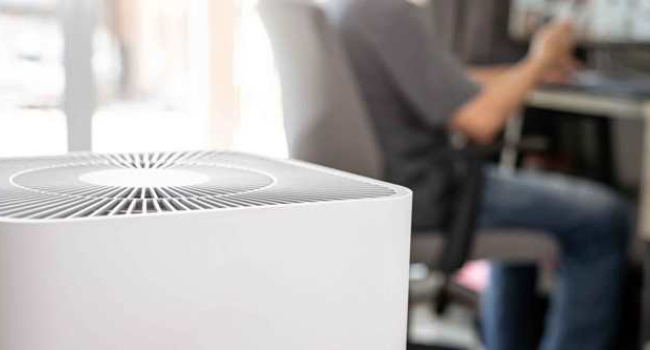
Home air purifiers with HEPA filters can help combat hypertension. An international team of scientists has found that regular use of such devices can lower systolic blood pressure in adults with already elevated levels — even in areas where air pollution is considered low. The study was published in the Journal of the American College of Cardiology (JACC).
Particles from car exhaust and tire wear can get into your home even when the windows are closed. These tiny particles (PM2.5) have long been linked to a higher risk of heart disease, including high blood pressure.
The authors conducted a study involving 154 people living near busy roads. For a month, some participants had real HEPA purifiers running in their homes, while others had the same devices but without filters. After a month-long “break,” the groups switched places. The participants' blood pressure was measured and data on their well-being was collected.
The result was statistically significant: those whose initial systolic blood pressure was above 120 mm Hg saw an average decrease of 2.8 mm Hg after a month with HEPA filtration. For comparison, blood pressure even rose slightly in the “placebo” group. The difference between real and simulated filtration was 3 mmHg.
“This is a small but important reduction in blood pressure — and it was achieved without medication, simply by improving the air quality in the home,” said lead author Professor Douglas Brugge of the University of Connecticut.





