
 make preferable
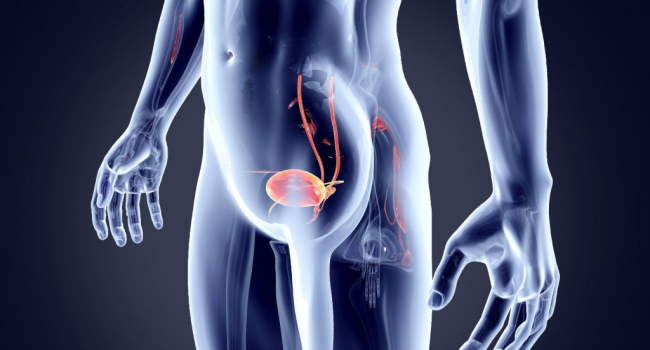
A new drug-releasing system, TAR-200, eliminated tumors in 82% of patients in a phase 2 clinical trial for individuals with high-risk non-muscle-invasive bladder cancer whose cancer had previously resisted treatment, reports the Keck Medicine of the University of Southern California.
The respective clinical trial results were published in the Journal of Clinical Oncology.
TAR-200 is a miniature, pretzel-shaped drug-device duo containing a chemotherapy drug, gemcitabine, which is inserted into the bladder through a catheter. Once inside the bladder, the TAR-200 slowly and consistently releases the gemcitabine into the organ for three weeks per treatment cycle.
The clinical trial, known as the SunRISe-1, was conducted at 144 locations globally, including at Keck Hospital of USC. It included 85 patients with high-risk non-muscle-invasive bladder cancer, whose disease had recurred after standard immunotherapy.
To offer patients a better option, urologic oncologists treated patients with TAR-200 every three weeks for six months, and then four times a year for the next two years. In 70 out of 85 patients, the cancer disappeared and for almost half the patients, was still gone a year later.
“The theory behind this study was that the longer the medicine sits inside the bladder, the more deeply it would penetrate the bladder and the more cancer it would destroy,” the study authors said.
The study also showed that administering TAR-200 along with another immunotherapy drug—cetrelimab—did not prove as effective as TAR-200 on its own and had more side effects.
While participants in the clinical trial will be followed for another year, the study is closed to new participants.





