make preferable
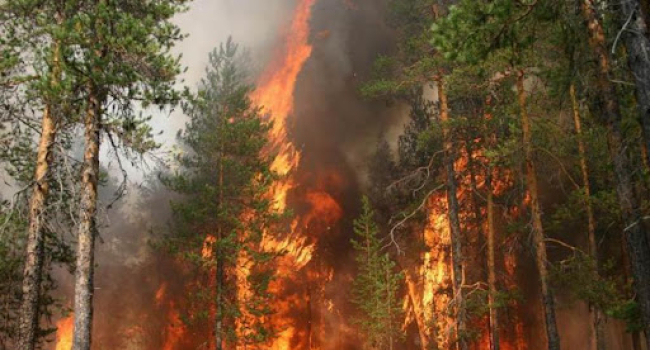
A recent study conducted by the Barcelona Institute for Global Health (ISGlobal) has revealed that the deadly risk from wildfire smoke exposure has been underestimated by nearly double — by 93%.
Researchers analyzed data from multiple countries and concluded that fine particulate matter (PM2.5) contained in wildfire smoke may be even more harmful than those produced by vehicle emissions and industrial pollutants.
The findings were published in The Lancet Planetary Health.
The study showed that short-term exposure to wildfire smoke is linked, on average, to 535 deaths.
These results demonstrate that wildfire smoke is not just a temporary health nuisance but a serious threat capable of triggering severe cardiovascular and respiratory diseases. The most vulnerable groups include the elderly, children, and people with chronic heart or lung conditions.
According to the study’s authors, a key issue is that traditional health risk assessment methods often fail to account for the specific chemical composition of wildfire smoke. This means that current protective measures for populations may be insufficient — especially given the rising frequency and intensity of wildfires driven by the climate crisis.
Experts stress that the situation requires urgent attention. Air quality forecasting strategies need to be revised, wildfire early warning systems strengthened, and people advised on effective protective measures — from wearing respirators to limiting outdoor activity during heavy smoke events.
The new evidence underscores that wildfires are not only an environmental crisis but also a major public health issue. With the increasing number of such disasters worldwide, understanding the true health risks is crucial for developing prevention and protection strategies.